
Desserts
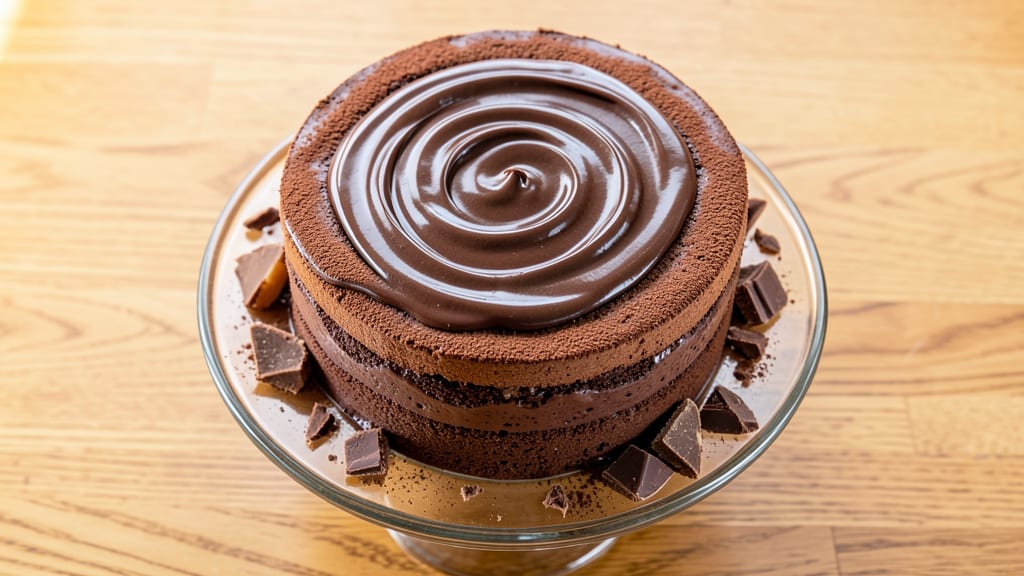
This Hershey's Old-Fashioned Chocolate Cake brings back the rich, fudgy layers from the 1920s—where buttermilk and cocoa powder create a texture so moist it defies modern shortcuts. The secret lies in precise measurements and a slow bake that develops deep chocolate flavor without drying out.
I've tested this recipe dozens of times to perfect the balance between tender crumb and that signature crackly top.
The original recipe relied on a few key techniques: folding dry ingredients gently to avoid dense layers, using buttermilk for tangy moisture, and baking at a steady temperature to prevent sinking.
This version maintains those principles while adapting to modern ovens. The result? Layers that stay tender for days, with a chocolate frosting so rich it tastes like homemade fudge.
What makes this cake truly special is how it delivers restaurant-quality results with simple ingredients—no fancy equipment or hard-to-find items required. The buttermilk trick prevents dryness, while the cocoa powder ensures that chocolate flavor shines through every slice.
Perfect for special occasions or when you crave a dessert that tastes like nostalgia.
Once you try this version, you'll understand why it's been a classic for nearly a century. The frosting is thick enough to hold its shape but melts beautifully on warm cake. Let's recreate this timeless treat step by step—just as it was meant to be made.
Ingredients for hershey's chocolate cake recipe old fashioned
Classic 1920s technique meets modern convenience—just 13 ingredients for layers that stay moist for days.
| Ingredient | Amount | Notes |
|---|---|---|
| All-Purpose Flour 🌾 | 2 ½ cups | Sifted for light texture |
| Unsalted Butter 🧈 | 2 cups | Cold, cubed for precision |
| Granulated Sugar 🍚 | 2 cups | White or light brown |
| Cocoa Powder 🍫 | ¾ cup | Hershey's Special Dark preferred |
| Buttermilk 🥛 | 1 ½ cups | Room temperature for best results |
| Large Eggs 🥚 | 2 whole | Room temperature, separated |
| Baking Powder 🧂 | 1 tsp | Aluminum-free for consistent rise |
| Salt 🧂 | ½ tsp | Fine sea salt preferred |
| Vanilla Extract 🌿 | 1 tbsp | Pure, high-quality extract |
| Hot Water 💧 | ½ cup | Near boiling for cocoa activation |
| Powdered Sugar 🍚 | 3 cups | For frosting, sifted |
| Heavy Cream 🥛 | 1 cup | Cold for stable whipped cream |
| Unsweetened Chocolate 🍫 | 8 oz | Hershey's baking chocolate |
The cocoa powder is non-negotiable. Hershey's Special Dark delivers that signature rich flavor—don't substitute with Dutch-processed. For the butter, Land O'Lakes or Plugrá brands work best when cold and cubed. The buttermilk must be room temperature; cold buttermilk curdles when mixed with baking soda. Whole Foods or Kroger carry reliable brands, but check the expiration date—sour buttermilk ruins the texture. The eggs should be separated carefully; the yolks will go into the frosting for extra richness.
No buttermilk? Mix 1 cup milk with 1 tbsp vinegar and let sit 5 minutes. Substituting cocoa powder? Hershey's cocoa mix works in a pinch, but it's less flavorful. For the frosting, Nestlé powdered sugar dissolves more smoothly than store brands. The chocolate chips can be swapped for chopped Hershey's bars—just melt them first. If your oven runs hot, reduce temperature by 25°F to prevent cracking. The frosting should be thick enough to hold peaks but still spreadable—beat it just until stiff.
Store cake layers in an airtight container with parchment between them for up to 5 days. The frosting keeps 3 days refrigerated, but add a layer of plastic wrap directly on the surface to prevent drying. For make-ahead convenience, bake the cake layers 1 day ahead, frost just before serving. The frosting can be made 2 days ahead—just whip it again briefly before use. Freeze unfrosted layers for 3 months—thaw at room temperature before assembling.
Why You'll Love This Recipe
- Here’s what sold me: the buttermilk keeps it tender and fudgy, but the buttercream frosting (made from the same butter and sugar) seals the deal. No dry crumbs here—just that perfect, melt-in-your-mouth texture every slice deserves.
- I’ll be real: this recipe stretches my grocery budget and my patience. A single box of cocoa powder and a stick of butter go a long way, and leftovers? They’re the best. Store them in the fridge, and the next day’s slice tastes just as good as day one.
Step-by-step instructions for 1920s-style chocolate cake
This classic recipe delivers rich, moist layers with a velvety frosting—every step preserves the old-fashioned charm.
Prepare the Cocoa Mixture
In a medium bowl, whisk together the 0.75 cup cocoa powder, 2 cups granulated sugar, and 0.5 tsp salt until smooth. This ensures even distribution of flavor in the batter. Gradually add the 1.5 cups buttermilk, mixing until fully combined. The buttermilk's acidity helps activate the baking powder for a light texture.
In a separate small bowl, beat the 2 whole large eggs lightly with the 1 tbsp vanilla extract. This step prevents overmixing later when combining wet and dry ingredients. Set aside both mixtures—the cocoa-buttermilk blend and the vanilla eggs—until ready for use.
Cream Butter and Mix the Batter
In a large mixing bowl, combine the 2 cups unsalted butter (cold and cubed) with the 2.5 cups all-purpose flour and 1 tsp baking powder. Use a hand mixer on low speed to blend until the butter is fully incorporated and the mixture resembles coarse crumbs. This texture is crucial for preventing dense layers.
Gradually add the cocoa-buttermilk mixture to the flour-butter blend, mixing on low speed until just combined. Avoid overmixing—stop as soon as the batter comes together. In a separate small saucepan, heat the 0.5 cup hot water to near boiling, then slowly pour it into the batter while mixing on low. This activates the cocoa powder fully, deepening the chocolate flavor.
Bake the Layers
Preheat your oven to 350°F. Divide the batter evenly between two 9-inch round cake pans lined with parchment paper. Bake for 30-35 minutes, or until a toothpick inserted into the center comes out clean. The edges should be set but the tops still slightly springy to the touch.
Real talk: Don't overbake. The cake continues cooking slightly as it cools, and overbaking leads to dryness. If the tops brown too quickly, tent loosely with foil after 20 minutes to prevent over-browning while allowing the centers to finish cooking.
Prepare the Frosting
While the cakes cool, melt the 8 oz unsweetened chocolate and 1 cup heavy cream together in a heatproof bowl set over a pot of simmering water, stirring until smooth. Remove from heat and let cool slightly. In a separate bowl, beat the 3 cups powdered sugar until light and fluffy.
Gradually fold the melted chocolate mixture into the powdered sugar, mixing until fully combined and smooth. The frosting should be thick but spreadable. If it's too thin, chill for 15 minutes to firm up slightly before using.
Assemble and Chill
Level the cooled cake layers if needed, then place one layer on a serving plate. Spread an even layer of frosting on top, then place the second layer on the cake. Frost the entire top and sides, creating a smooth finish. Chill in the refrigerator for at least 2 hours before slicing.
This resting time allows the frosting to set properly and the flavors to meld. The cake will keep well in the fridge for up to 5 days, though it's best enjoyed fresh. The secret buttermilk trick ensures a tender crumb that stands up to the rich chocolate frosting—just like the original 1920s recipe intended.
Pro Tips For Making Hershey'S Chocolate Cake Recipe Old Fashioned
- Sift the Cocoa: Mixing cocoa powder into dry ingredients without sifting creates lumps that ruin the texture—especially in this recipe, where cocoa is the star. Use a fine-mesh sieve or whisk the cocoa with the flour first to break up any clumps before adding liquids.
- Melt Butter Slowly: Pouring melted butter straight into the batter can make the cake greasy. Warm the butter just until it turns liquid (about 120°F), then let it cool for 5 minutes before mixing—this keeps the crumb tender without weighing it down.
- Don’t Overmix the Batter: After folding in the buttermilk, stop mixing as soon as the flour is just incorporated. Overmixing develops gluten, which turns this cake dense instead of light. Give it 10-12 strokes max with a spatula—less is more.
- Check Doneness Early: This cake rises fast but can dry out if left in too long. Start checking at 25-30 minutes (depending on your oven) with a toothpick—it should come out with moist crumbs, not wet batter. Overbaking is the fastest way to ruin the texture.
Wine and beer pairings for hershey's chocolate cake recipe old fashioned
Rich Chocolate Wines
The deep cocoa notes in this cake pair beautifully with Port wine—specifically a Ruby Port or Tawny Port. The caramel and dried fruit flavors in Tawny complement the frosting’s chocolate richness, while Ruby Port’s bold fruitiness cuts through the cake’s density.
I recommend chilling the wine slightly to balance the dessert’s warmth. For a sweeter option, try a Moscatel—its honeyed notes elevate the chocolate without overpowering it. 🍷
Creamy Dessert Beers
Stout beers like Guinness or Samuel Adams Cream Stout provide the perfect creamy contrast to this cake’s texture. The roasted malt flavors in stouts mirror the cocoa’s depth, while their smooth mouthfeel mirrors the frosting’s velvety consistency.
For a lighter option, a Belgian Dubbel (like Westmalle Dubbel) offers caramel and spice notes that harmonize with the cake’s buttermilk tang. Serve both cake and beer at room temperature for the best pairing. 🍺
Coffee Pairings
A strong, dark roast coffee with chocolate undertones—like Kona or Sumatran beans—enhances the cake’s cocoa profile. The bitterness in these beans balances the sweetness, creating a sophisticated flavor combination. I prefer a French press for brewing, as it highlights the coffee’s full-bodied richness.
For an espresso option, a mocha or dark chocolate blend (like Illy’s Chocolate Espresso) works beautifully. Serve the coffee slightly cooled to avoid melting the frosting. ☕
Lighter Wine Options
If you prefer something lighter, a dry Riesling with its crisp acidity and citrus notes provides a refreshing contrast to the cake’s richness. The acidity cleanses your palate between bites, while the slight sweetness in some Rieslings complements the frosting.
Alternatively, a Pinot Noir with its red fruit flavors and smooth tannins pairs surprisingly well with the cake’s chocolate depth. Both wines should be served slightly chilled for optimal enjoyment. 🍷
Seasonal Adaptations
For warmer months, consider a sparkling wine like Prosecco or Champagne—the bubbles and acidity create a delightful contrast to the cake’s density. In colder months, a spiced red wine (like Mulled Cabernet) with cinnamon and clove notes enhances the cake’s buttermilk warmth.
The key is balancing the dessert’s richness with complementary flavors that either cut through or enhance its depth. 🌟
Nutrition facts
Frequently asked questions
Why does this old-fashioned recipe use buttermilk instead of regular milk?
The buttermilk adds a subtle tang that balances the sweetness and keeps the cake moist for days. Its acidity also activates the baking powder better than milk, creating a lighter texture. Without it, the cake can turn out dry or dense—this was a key trick in 1920s baking!
Can I substitute cocoa powder with chocolate chips in the batter?
No, the recipe relies on Hershey's Special Dark cocoa powder for that signature rich flavor. Chocolate chips would add moisture and melt unevenly, altering the texture. If you're out of cocoa, use Hershey's cocoa mix> (the powdered version) but expect slightly less depth of flavor.
How do I fix cracked cake tops?
Cracking usually happens from overbaking or opening the oven too soon. To prevent it: tent with foil after 20 minutes if browning too fast, and bake until a toothpick comes out clean (not before). For a quick fix, spread extra frosting over the cracks—it'll blend right in!
Can I make this cake in a bundt pan instead of round layers?
Reduce baking time to 25-30 minutes and adjust the frosting quantity to 2 cups> instead of 3. The buttermilk trick still works for a moist cake, but expect a denser center since bundt cakes bake differently. Brush with simple syrup after baking for extra moisture.
What's the secret to making the frosting thick enough to hold its shape?
Beat the powdered sugar> until light and fluffy before adding the chocolate mixture, and chill the frosting for 15 minutes> if it's too thin. Using cold heavy cream also helps stabilize it. For extra stability, add 1 tsp cornstarch**> to the powdered sugar before whipping.