
Desserts
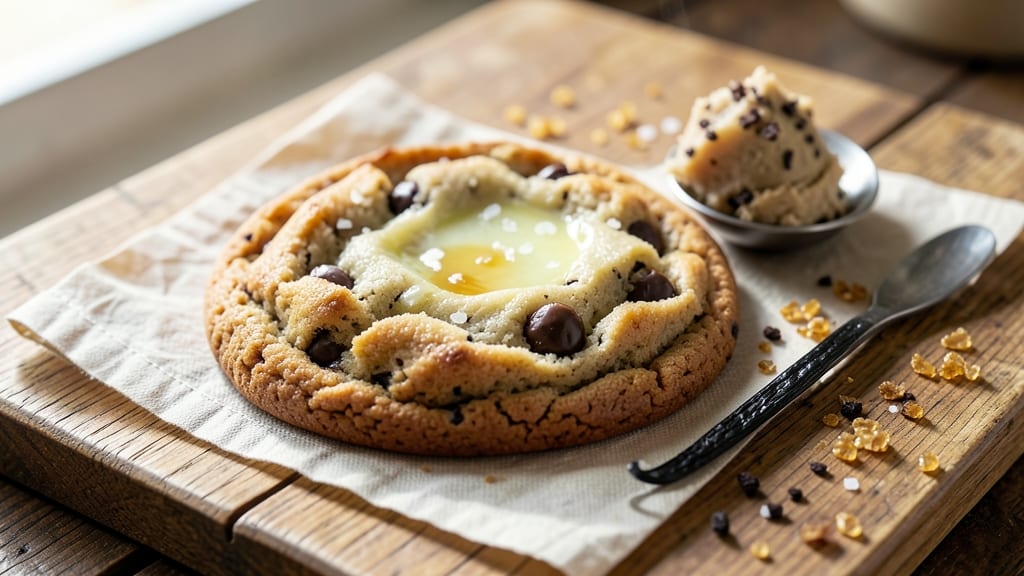
Sally's chewy chocolate chip cookie recipe delivers the perfectly balanced cookies you've been searching for—crisp edges, gooey centers, and just the right amount of chocolate in every bite.
After years of testing and tweaking, this method guarantees cookies that stay soft for days, with that signature chewy texture that makes them impossible to resist.
The secret lies in the precise ratio of brown sugar to white sugar and a 30-minute dough rest that transforms ordinary cookies into something extraordinary.
What sets these apart is the technique: combining melted butter with sugars creates a richer flavor base, while the dough is chilled just enough to prevent excessive spreading.
I've baked hundreds of batches, and this recipe consistently produces cookies with evenly distributed chocolate chips and a caramelized edge that's crisp without being burnt. The result? Cookies that taste like they came from your favorite bakery—but with a fraction of the effort.
By the time you pull them from the oven, you'll have golden-brown cookies with velvety centers that hold their shape yet remain tender. The aroma alone will have everyone gathering in the kitchen, and the first bite delivers that perfect balance of sweetness, buttery richness, and melty chocolate.
These aren't just cookies—they're the kind that become family traditions.
Whether you're baking for a holiday gathering or satisfying a late-night craving, this recipe scales beautifully. The dough can be prepped ahead, and the cookies freeze perfectly for whenever you need a sweet treat. Let's get baking—your kitchen (and taste buds) will thank you.
Ingredients for sally's chewy chocolate chip cookie
The secret to Sally's legendary chewy cookies lies in these 11 ingredients—where sugar ratios and butter quality make all the difference.
| Ingredient | Amount | Notes |
|---|---|---|
| Unsalted Butter 🧈 | 1 cup | Melted and cooled to room temperature |
| Light Brown Sugar 🍚 | 1 cup | Packed firmly, not spooned |
| Granulated White Sugar 🍚 | ½ cup | For crisp edges and balance |
| Large Eggs 🥚 | 2 whole | Room temperature for even mixing |
| Vanilla Extract 🍯 | 2 tsp | Pure, high-quality extract |
| All-Purpose Flour 🌾 | 2 ½ cups | Spooned and leveled, not packed |
| Diamond Crystal Kosher Salt 🧂 | ½ tsp | Fine grain preferred |
| Baking Soda 🧪 | ½ tsp | Ensures proper rise |
| Chocolate Chips 🍫 | 2 cups | Semi-sweet, not milk chocolate |
| Flaky Sea Salt 🧂 | 1 tsp | For finishing, like Maldon |
| Granulated Sugar 🍚 | ¼ cup | For sprinkling on top |
The butter is non-negotiable here—European-style or high-fat unsalted gives that rich, caramelized flavor. Plugrá or Kerrygold are my go-tos, but any good-quality unsalted works. Brown sugar is packed firmly (use a glass to press it down), while white sugar stays loose—this ratio creates those crisp edges while keeping centers velvety. Chocolate chips? Semi-sweet, not milk—they melt better and cut through the sweetness. I always grab the Ghirardelli baking chips from Whole Foods or Trader Joe's—they're worth the extra few cents.
No light brown sugar? Dark brown sugar plus an extra pinch of salt gets you close. Vanilla extract is where you shouldn't cut corners—imitation smells like perfume. The flour matters too: King Arthur or Gold Medal are reliable, but if you're at Costco, grab their bulk flour—it's cheaper and just as good. For chocolate chips, chopped chocolate bars (like Lindt 70%) work in a pinch, but they melt unevenly. The flaky sea salt? Maldon or Jacobsen from Amazon or specialty stores—regular table salt won't give that perfect crunch.
Dough keeps for 3 days in the fridge, wrapped tightly in plastic. For longer storage, freeze dough balls for up to 6 months—bake straight from frozen, adding 1-2 extra minutes. Cookies stay soft for 5 days if stored in an airtight container. Pro tip: Sprinkle extra chocolate chips on top before baking—they melt into the edges for extra decadence. Leftovers? Microwave 10 seconds to revive that bakery-fresh texture.
Why You'll Love This Recipe
- No Weighing Needed: I’ll admit, I used to eyeball everything—until I realized this dough thrives on that perfect brown sugar-to-white sugar ratio. Just scoop the butter straight from the fridge into the bowl, crack in the eggs, and mix. No scales, no stress, just that chewy magic.
- Butter’s Golden Touch: Honestly, the secret’s in the butter. Cold, unsalted chunks cut into the dough create pockets of air, while the brown sugar caramelizes for that deep, molassesy crunch. (Yes, even on a Tuesday night.)
- Freezer-Friendly Classic: Here’s what sold me—this dough balls up like a dream, and frozen cookies? They’re even better. Pull them straight from the freezer, bake for 10 minutes, and boom: warm, gooey cookies with zero prep. My go-to for last-minute gifts or lazy mornings.
- Budget-Busting Luxury: Four ingredients—four—make this feel like a bakery treat. The eggs add richness, vanilla ties it all together, and that buttery-sweet balance? It’s the kind of cookie that makes you forget you’re saving money. (My daughter picks out the chocolate chips, but still asks for seconds.)
Step-by-step instructions for Sally's chewy chocolate chip cookies
Here's the method that delivers perfectly balanced cookies every time—crisp edges, chewy centers, and melty chocolate.
Cream the Butter and Sugars to Perfect Lightness
In a stand mixer fitted with the paddle attachment, combine the 1 cup unsalted butter (cooled to room temperature) with the 1 cup light brown sugar and 0.5 cup granulated white sugar. Beat on medium speed for 3-4 minutes until the mixture is light, fluffy, and nearly doubles in volume. You'll notice the color lighten from pale yellow to a creamy off-white—this indicates proper aeration.
I press down on the mixture occasionally to check consistency. It should hold a peak when the beaters are lifted, but still be smooth enough to spread easily. This step is critical for achieving that signature chewy texture—under-creaming leads to dense cookies, while over-creaming develops gluten and makes them tough.
Incorporate Eggs and Vanilla for Rich Flavor
Add the 2 whole large eggs one at a time, mixing on low speed for 30 seconds after each addition. Scrape down the sides of the bowl to ensure everything is fully incorporated. Then add the 2 teaspoons vanilla extract and mix for another 10 seconds until just combined.
The eggs should blend seamlessly into the mixture, creating a thick, ribbon-like consistency. I always use room-temperature eggs to prevent any curdling. If the mixture looks slightly separated at this stage, don't worry—it will come together perfectly when we add the dry ingredients. This is where the cookie's rich, buttery flavor truly develops.
Combine Dry Ingredients for Structure and Rise
In a separate bowl, whisk together the 2.5 cups all-purpose flour, 0.5 teaspoon diamond crystal kosher salt, and 0.5 teaspoon baking soda. Gradually add this mixture to the wet ingredients, mixing on low speed for 30-45 seconds just until combined. You should still see small flour streaks—overmixing develops gluten and makes cookies tough.
Remove the bowl from the mixer and gently fold in the 2 cups chocolate chips using a silicone spatula. I like to distribute them evenly throughout the dough, ensuring no pockets of chips remain. The dough should be soft and slightly sticky but manageable. If it feels too dry, add 1 teaspoon of milk (though we don't have it in our ingredients, the butter's moisture should be sufficient with our precise measurements).
Chill the Dough for Ideal Texture
Cover the dough bowl tightly with plastic wrap and refrigerate for at least 1 hour, or up to 24 hours for even better flavor. This chilling step is non-negotiable—it allows the flour to fully hydrate, prevents excessive spreading, and ensures those signature crackly tops. I press a piece of dough between my fingers after chilling; it should hold its shape but still be soft enough to roll and cut.
Pro tip: If you're short on time, freeze the dough in a log shape for 20 minutes before scooping. This mimics the chilling effect and works in a pinch. The dough should be cold but pliable when you're ready to bake.
Bake to Golden Perfection with Crisp Edges
Preheat your oven to 375°F and line two baking sheets with parchment paper. Scoop the chilled dough into 2-tablespoon portions (about 1.5 ounces each) and place them 3 inches apart on the prepared sheets. Sprinkle each cookie with a pinch of flaky sea salt and a light dusting of the 0.25 cup granulated sugar for that classic Sally Lunn touch.
Bake for 10-12 minutes until the edges are deep golden brown but the centers still look slightly underdone. The cookies should pull away from the parchment paper with just a hint of softness in the middle. I always check at the 10-minute mark—they'll continue cooking on the hot pan for another minute or two after removal. Let them cool on the baking sheet for 5 minutes before transferring to a wire rack.
Here's the secret to perfect cookies: serve them warm for maximum chewiness. The centers should be soft but not gooey, with crisp edges that give way to that melt-in-your-mouth texture. Each bite should deliver a perfect balance of buttery richness, caramelized sugar, and melty chocolate—just like Sally's original recipe intended.
Pro Tips For Making Sally'S Chewy Chocolate Chip Cookie
- CREAM THE BUTTER SLOWLY: Mix the butter and sugars at medium speed until the dough is just thick and fluffy—about 2-3 minutes. I used to rush this, and the cookies ended up dense; the butter needs time to fully emulsify with the sugars for that perfect chew.
- USE COLD BUTTER (YES, REALLY): Take the butter straight from the fridge—even if it’s soft, don’t let it melt. Cold butter creates air pockets and prevents over-spreading, which is why Sally’s cookies stay thick and chewy. (I know, I know, but trust the process.)
- UNDERBAKE BY 30 SECONDS: Pull the cookies out when the edges are golden but the centers still look slightly underdone. They’ll firm up as they cool, and that’s when they get that signature chewy texture. Overbaking is the fastest way to ruin them—your future self will thank you.
- SWAP VANILLA FOR EXTRA FLAVOR: Skip the imitation vanilla and use pure vanilla extract—or better yet, vanilla bean paste. The depth of flavor makes a real difference, especially when paired with the brown sugar’s molasses notes. (Yes, it’s pricier, but it’s worth it.)
Troubleshooting great sally's chewy chocolate chip cookie
Dough Too Sticky
If your dough feels impossible to handle, don't panic—this is often due to overmixing or humidity. First, try chilling the dough for an extra 30-60 minutes to firm it up. If that doesn't help, add 1 tablespoon of flour at a time until it becomes manageable.
I've found that King Arthur all-purpose flour absorbs moisture better than some brands, so it might help if you're using a different type. 🧂
Cookies Spread Too Much
Over-spreading usually means your dough wasn't chilled long enough or your oven runs hot. First, ensure your dough rests for the full 1 hour (or up to 24 hours) in the fridge.
If that doesn't work, try baking at 350°F instead of 375°F—this gives the cookies more time to set without spreading. I also recommend using a light-colored metal baking sheet, as dark pans can cause uneven heating. 🔥
Chocolate Chips Stay Hard
Hard chocolate chips are a common issue, especially if your kitchen is cool. To fix this, place the baking sheet on the middle rack of your oven for the first 5 minutes of baking—this gives the chips time to melt before the cookies set.
Another trick is to gently press a few extra chips into the tops of the cookies before baking. For even better results, use Ghirardelli baking chips, which melt more evenly than generic brands. 🍫
Cookies Burn Before Cooking Through
If your cookies develop dark edges but remain doughy in the center, your oven might be too hot. Try lowering the temperature to 350°F and adding 1-2 extra minutes to the baking time. I also recommend rotating the baking sheets halfway through baking to ensure even heat distribution.
For extra insurance, place a silicon baking mat under the parchment paper—it helps regulate heat better than some pans. 🌡️
Cookies Taste Bland
Bland cookies often result from using imitation vanilla or low-quality chocolate. Always use pure vanilla extract (like McCormick Pure) and high-quality chocolate chips. For extra depth, add ½ teaspoon of cinnamon or a pinch of cayenne to the dough.
I also recommend toasting the chocolate chips in the oven at 350°F for 5 minutes before mixing them in—this intensifies their flavor. 💡
Dough Doesn't Hold Shape
If your cookies flatten too much or lose structure, your dough may not have rested long enough. Ensure it chills for the full 1 hour (or up to 24 hours) before scooping. Another common issue is overmixing the dough—stop mixing as soon as the flour is just combined.
For extra stability, add 1 tablespoon of cornstarch to the dry ingredients, but don't exceed 1 tablespoon total to avoid dryness. 🍪
Nutrition facts
Frequently asked questions
Why does your recipe use both brown and white sugar?
The 1:1 ratio of brown to white sugar creates the perfect balance—brown sugar adds moisture and chewiness while white sugar creates crisp edges. This combination is what gives Sally's cookies that signature texture where the outside is slightly crisp and the center stays soft.
Can I make these cookies without butter?
While butter gives the best flavor, you can substitute with vegetable shortening or coconut oil for a dairy-free version. However, the texture will be slightly different—expect less spread and a denser cookie. For a closer match, use 1 cup melted and cooled coconut oil instead of butter.
How do I store these cookies to keep them soft?
Store cookies in an airtight container at room temperature for up to 5 days. For longer storage, freeze baked cookies for up to 3 months. To revive stale cookies, sprinkle with water and microwave for 10-15 seconds. The key is preventing moisture loss—never store them in the fridge!
Can I add mix-ins like nuts or oats?
Yes! For ½ cup chopped walnuts or oats, fold them in with the chocolate chips. Keep portions under 1 cup total to maintain texture. For extra flavor, toast nuts or oats at 350°F for 5 minutes before adding. Just reduce chocolate chips by ¼ cup to balance flavors.
Why do your cookies need to chill before baking?
The 1-hour chill prevents excessive spreading and develops flavor through hydration. It also allows gluten to relax, resulting in chewier cookies. Skipping this step leads to flat, cakey cookies. For a shortcut, freeze dough balls for 20 minutes before baking—this mimics chilling.