
Desserts
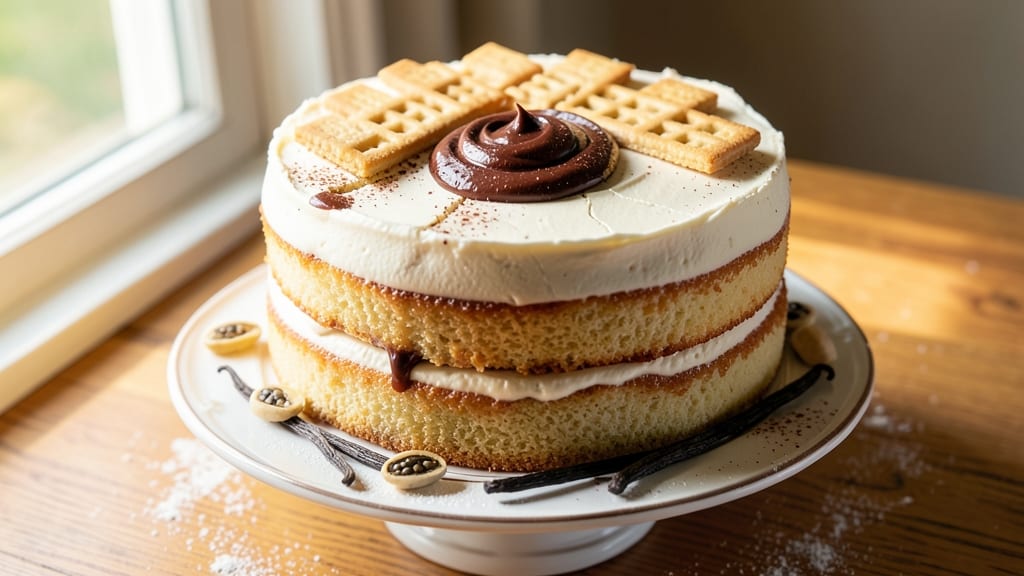
This old-fashioned white German chocolate cake recipe brings back the nostalgic magic of homemade baking with its signature vanilla bean swirls and toasted coconut crown. The secret lies in the layers—rich white cake, velvety white chocolate frosting, and a crunchy coconut topping that adds texture with every bite.
I first made this version after searching for years to recreate the tender, moist cake my grandmother used to bake, and this method finally nailed it.
The cake itself is where the magic begins, with a precise blend of ingredients that creates a tender crumb without being too dense. The white chocolate frosting, made from scratch, is the star—smooth, slightly sweet, and perfectly balanced with a hint of vanilla.
What sets this recipe apart is the toasted coconut crown, which adds a delicate crunch that contrasts beautifully with the soft cake layers.
When you slice into this cake, you’ll see those classic vanilla bean swirls cutting through the white layers, a visual treat that’s as impressive as it is delicious.
The frosting holds its shape while still being light enough to melt slightly with each bite, and the coconut topping adds a subtle sweetness that ties everything together. This is the kind of cake that feels like a hug—comforting, indulgent, and perfectly balanced.
Whether you’re baking for a special occasion or just treating yourself, this recipe delivers restaurant-quality results with a homemade touch. The layers are foolproof, the frosting is foolproof, and the presentation is simple yet stunning.
Let’s get started on creating a cake that tastes like nostalgia and love in every bite.
Ingredients for old fashioned white german chocolate cake
Classic baking staples with a nostalgic twist—vanilla swirls and crunchy coconut crown await.
| Ingredient | Amount | Notes |
|---|---|---|
| All-Purpose Flour 🌾 | 2 ½ cups | Sifted for light texture |
| Granulated Sugar 🍚 | 2 cups | White sugar preferred |
| Unsalted Butter 🧈 | 1 ½ cups | Room temperature, full-fat |
| Large Eggs 🥚 | 4 whole | Room temperature for blending |
| Vanilla Extract 🌸 | 2 tsp | Pure vanilla extract |
| Baking Powder 🍞 | 2 tsp | Aluminum-free preferred |
| Salt 🧂 | ½ tsp | Fine sea salt |
| Milk 🥛 | ¾ cup | Whole milk preferred |
| Vanilla Beans 🌸 | 2 whole | Seeds scraped for swirls |
| White Chocolate Chips 🍫 | 1 ½ cups | High-quality, 100% cocoa |
| Shredded Coconut 🥥 | 2 cups | Unsweetened, toasted |
| Brown Sugar 🍚 | ½ cup | Light brown preferred |
| Heavy Cream 🥛 | 1 cup | Cold for frosting |
| Powdered Sugar 🍚 | 3 cups | For smooth frosting |
The vanilla beans are non-negotiable here. Madagascar bourbon beans from Penzeys or a well-stocked spice shop bring that authentic depth—none of that imitation stuff. Toast the beans lightly in a dry pan for 30 seconds to release their aroma before scraping. The white chocolate chips should be 100% cocoa butter (check the label), or the frosting will taste off. For the coconut, unsweetened shredded from the bulk bin toasts up beautifully—skip the pre-sweetened kind. I always grab Bob's Red Mill flour for this recipe; it bakes up lighter than store-brand options.
No vanilla beans? Vanilla bean paste works in a pinch (use half the amount of extract), but it won't give you those pretty swirls. Out of white chocolate chips? Melted white chocolate bar (like Ghirardelli) poured over the cake layers mimics the effect. The coconut topping can be made with toasted coconut flakes if shredded is hard to find—just toast them in the same pan. For the frosting, if you don't have powdered sugar, blend granulated sugar into a fine powder (food processor works great), but sift it first to avoid graininess. The eggs must be room temp—cold eggs make the cake dense.
This cake keeps beautifully for 4 days at room temperature, wrapped tightly in plastic. The frosting stays fresh for 2 days in the fridge, so assemble the cake just before serving. For make-ahead prep, bake the cake layers 1 day ahead, cool completely, then wrap in plastic. The coconut topping stays crunchy for 3 days if stored in an airtight container. Freeze the unfrosted cake layers for 2 months—thaw at room temp before assembling.
Why You'll Love This Recipe
- No Mixer Needed: I swear by this recipe—just fold the butter into the sugar until it’s light and fluffy by hand. No electric mixer, no fuss, just elbow grease that pays off in that tender crumb.
- Vanilla Buttercream Dream: That classic vanilla extract and rich butter? It’s the star. The frosting isn’t just sweet—it’s got this subtle depth that makes every bite feel like a little treat, not just dessert.
- Weeknight Hero: Bake it once, slice it twice. Leftovers keep for days in the fridge, and it’s the kind of cake that tastes just as good cold as it does warm—perfect for breakfast or a late-night snack.
- Budget-Friendly Luxury: Flour, sugar, butter, eggs—these are pantry staples. No fancy ingredients, no markup. Yet it tastes like you spent hours (when really, you spent 20 minutes and saved $10).
Step-by-step instructions for old fashioned white German chocolate cake
Here's how to create a classic white cake with vanilla bean swirls and a toasted coconut crown that tastes just like grandma's.
Prepare the Vanilla Bean Swirls
Split the 2 whole vanilla beans lengthwise and scrape out the seeds using the edge of a knife. You should have about 1 teaspoon of seeds—this is the secret to that authentic vanilla flavor. Set the seeds aside and chop the empty vanilla bean pods into small pieces. In a small saucepan, combine the vanilla bean pieces with 0.5 cup brown sugar and 0.75 cup milk. Bring to a gentle simmer over medium heat for 5 minutes, stirring occasionally, until the mixture thickens slightly. This creates a fragrant syrup that will swirl through the cake batter.
Let this mixture cool completely before using—it needs to be room temperature to blend smoothly with the batter. If you rush this step, the syrup will cook unevenly and create pockets in your cake. Trust me, this waiting time is worth it for that professional swirl effect.
Cream Butter and Sugars
In a large mixing bowl, beat the 1.5 cups unsalted butter and 2 cups granulated sugar together using an electric mixer on medium speed for 3-4 minutes. You're looking for a light, fluffy texture that's nearly doubled in volume and pale in color. This creaming process incorporates air into the batter, which gives your cake that tender, airy crumb.
I like to scrape down the sides of the bowl every minute or so to ensure everything gets properly incorporated. The butter should be completely smooth with no lumps, and the mixture should look like thick ribbon when you lift the beaters. If it's still grainy, keep mixing for another minute—this makes all the difference in texture.
Add Eggs and Vanilla
Add the 4 whole large eggs, one at a time, mixing well after each addition. After the eggs are incorporated, add the 2 teaspoons vanilla extract and the cooled vanilla bean syrup. Mix on low speed for 1 minute to combine everything smoothly. The batter should be thick but pourable.
Here's where it gets fun—gently fold in the 1.5 cups white chocolate chips using a spatula. Be careful not to overmix; just distribute them evenly throughout the batter. The white chocolate will melt slightly as it bakes, creating pockets of rich, creamy goodness in every bite.
Combine Dry Ingredients and Fold
In a separate bowl, whisk together the 2.5 cups all-purpose flour, 2 teaspoons baking powder, and 0.5 teaspoon salt. Sift this mixture directly into the wet ingredients and gently fold together using a spatula, mixing just until combined. You should still see some flour streaks—overmixing develops gluten and makes the cake tough.
Now, fold in the 2 cups shredded coconut using the spatula. The coconut adds that classic German chocolate texture and flavor. Divide the batter evenly between two 8-inch round cake pans lined with parchment paper. The batter should fill each pan about two-thirds full—this accounts for rising.
Bake and Create the Coconut Crown
Preheat your oven to 350°F. Bake the cakes for 25-30 minutes, or until a toothpick inserted into the center comes out clean. Rotate the pans halfway through baking for even browning. Let the cakes cool in the pans for 10 minutes, then transfer to a wire rack to cool completely.
While the cakes cool, make the coconut crown. In a small saucepan, combine 1 cup heavy cream and 3 cups powdered sugar. Cook over medium heat, stirring constantly, until the sugar dissolves completely and the mixture thickens to a glaze consistency. Remove from heat and stir in the 2 cups shredded coconut until fully coated. Spread this mixture evenly over the top of one cake layer while it's still warm—this creates that signature coconut crown.
Assemble and Frost
Once both cakes are completely cool, level the tops if needed. Place one cake layer on a serving plate and spread a thin layer of vanilla bean syrup (reserve about 2 tablespoons) over the top. This helps the filling stick. Add the second cake layer on top and spread the remaining syrup evenly over the sides and top.
For the frosting, beat the 1 cup heavy cream until soft peaks form, then gradually add the 3 cups powdered sugar while continuing to beat until smooth and fluffy. Frost the entire cake, then decorate the top with additional shredded coconut and white chocolate curls for that classic German chocolate look. Chill in the refrigerator for 1 hour before serving to let the flavors meld together.
Pro Tips For Making Old Fashioned White German Chocolate Cake
- Cream Butter Slowly: I learned this the hard way—dumping cold butter into warm sugar at once just makes a greasy mess. Use a wooden spoon to fold in the butter gradually while mixing on low, or the batter will seize up like glue. Let the sugar melt into the butter first, then add the flour in stages.
- Whisk Eggs First: Beat the eggs with vanilla until they’re pale and thick before adding them to the batter. This ensures they emulsify properly, giving the cake that classic German lightness instead of a dense, gummy texture. (Yes, it’s extra work, but your future self will notice.)
- Skip Overmixing Dry Ingredients: Once you add flour to the butter-sugar mix, stir just until combined—no more. Overmixing develops gluten and turns your cake into a tough brick. Fold in with a spatula in two or three quick motions, then stop. The batter will look lumpy, but that’s how it stays tender.
- Test Doneness with a Toothpick: The cake’s done when a toothpick comes out with moist crumbs, not wet batter or dry flour. If it’s sticky, bake another 5–10 minutes—underbaking is the real enemy here. (Pro move: Tent with foil the last 10 minutes to prevent over-browning.)
Pro cooking tips for perfect results
Vanilla Bean Swirl Technique
For those signature swirls, I swear by the paintbrush method—after pouring the batter into your pans, use a small pastry brush to gently drag the vanilla bean syrup through the batter in a circular motion.
This creates clean, defined swirls that stay beautiful even after baking. Work quickly but deliberately to avoid overmixing the batter. 🌸
Butter Temperature Matters
Your butter needs to be room temperature (around 68°F) but not melted—press your finger into it and it should leave a slight indentation. Cold butter creates dense cake, while melted butter can cause greasy layers.
I like to take my butter out of the fridge 1 hour before mixing and let it sit on the counter. For extra insurance, microwave it for 10 seconds if it's still too firm.
Coconut Toasting Secrets
Toast your coconut in a dry skillet over medium-low heat for 3-4 minutes, stirring constantly, until golden brown and fragrant. Watch it closely—it burns fast! For the coconut crown, mix the toasted coconut with 2 tablespoons melted white chocolate before spreading it on the warm cake layer.
This gives it extra stickiness and a richer flavor. 🥥
Baking Time Precision
Your oven runs hotter than it thinks—always test with an oven thermometer placed near the cakes while preheating. If it reads 350°F but your actual temp is 375°F, reduce your baking time by 2-3 minutes.
The cakes are done when a toothpick comes out clean, but pull them out 1-2 minutes early if the edges are browning too fast. They'll finish cooking as they cool.
Frosting Consistency Fix
If your frosting turns out too thin, beat in 1 tablespoon powdered sugar at a time until it thickens. For a pipeable consistency, chill the frosting in the fridge for 15 minutes before using.
I like to add ½ teaspoon vanilla extract to the frosting for extra depth—it makes all the difference in that final flavor. For a professional finish, use a piping bag with a star tip to create rosettes on the sides.
Layer Assembly Pro Tips
Place your first cake layer on a wire rack over a tray to catch any drips while frosting. Use a serrated knife to level the tops perfectly—this makes stacking much easier.
For extra stability, place 4 wooden cake dowels (about 6 inches long) around the edge of the first layer before adding the second. This prevents doming when you add the top layer. 💡
Nutrition facts
Frequently asked questions
Why does this recipe use vanilla bean swirls instead of just extract?
The vanilla bean pods add depth and complexity that extract can't match. The scraped seeds create those beautiful swirls while infusing the cake with authentic vanilla flavor. Plus, the leftover pods make a fragrant syrup that enhances the frosting. For best results, use Madagascar bourbon beans—they're the gold standard for this recipe.
Can I substitute white chocolate chips with a bar?
Simply melt 12 ounces of high-quality white chocolate (like Ghirardelli) and let it cool slightly before folding it into the batter. The melted chocolate will create pockets of richness throughout the cake layers. Just make sure it's completely smooth before mixing to avoid lumps.
What's the secret to the perfect coconut crown?
Toast the coconut until golden brown and fragrant, then mix it with melted white chocolate for extra stickiness. Spread it on a warm cake layer while assembling—this creates that signature crunchy texture. For presentation, use a ring mold to shape it neatly before chilling. The key is patience: let the frosting set completely before adding the coconut crown.
How do I prevent my cake from being too dense?
Don't overmix the batter—just combine until flour is just incorporated. Use room-temperature butter and eggs, and cream them thoroughly until light and fluffy. Also, make sure your baking powder is fresh (old powder loses lift). For extra tenderness, fold in the white chocolate chips gently at the end. Overmixing develops gluten, which makes cakes tough.
Can I make this cake ahead of time?
Yes! Bake the layers 1 day ahead and store them wrapped at room temperature. The frosting stays fresh for 2 days in the fridge, so assemble just before serving. The coconut crown keeps its crunch for 3 days in an airtight container. For longer storage, freeze the unfrosted layers for up to 2 months—thaw completely before assembling.