
Desserts
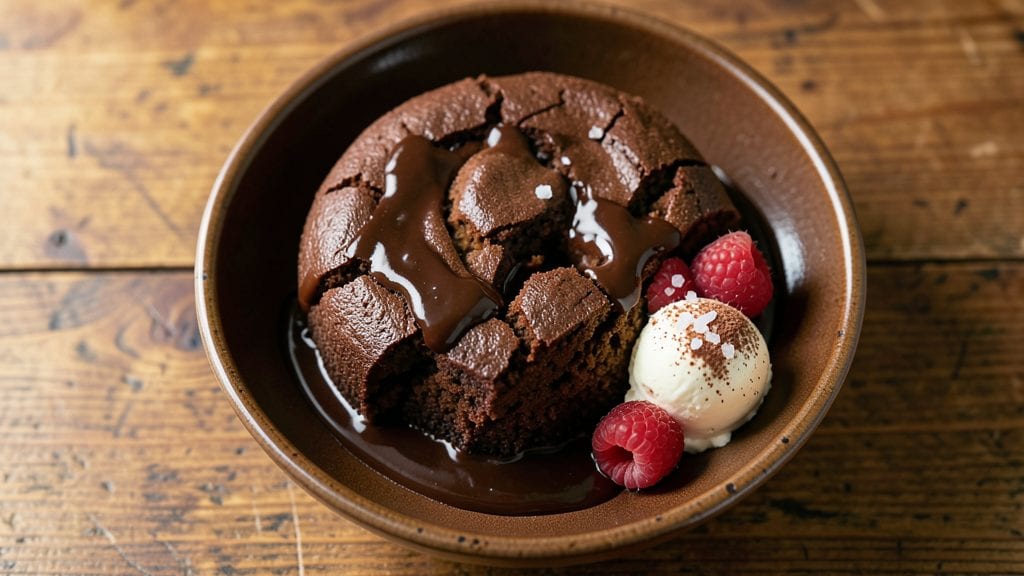
This moist chocolate fudge cake recipe delivers layers so dense and rich they’ll make you question whether you can trust a cake to stay intact. The secret lies in buttermilk—a game-changer that transforms ordinary cake into something velvety and irresistibly fudgy.
I’ve baked through countless variations, and this method consistently delivers a texture that’s dangerously close to homemade brownie consistency.
What sets this recipe apart is the balance of ingredients: brown sugar for moisture, cocoa powder for depth, and baking soda for lift without dryness. The cake bakes up with a golden brown crust that hides a crumb so tender it practically melts in your mouth.
No one will believe you didn’t spend hours layering or piping—just one simple trick makes all the difference.
By the time you pull this cake from the oven, you’ll have a perfectly moist center with edges that stay just firm enough to hold slices without crumbling. Serve it warm with whipped cream, a drizzle of chocolate ganache, or fresh berries for contrast.
The flavor is rich but not overpowering, with just enough cocoa to satisfy chocolate lovers without being bitter.
This recipe is foolproof for beginners yet refined enough for experienced bakers looking to elevate their dessert game. The buttermilk trick ensures moisture retention even after cooling, so every slice stays as luscious as the first. Let’s get baking—your taste buds will thank you.
Ingredients for moist chocolate fudge cake
Buttermilk and cocoa powder transform simple pantry staples into velvety chocolate perfection.
| Ingredient | Amount | Notes |
|---|---|---|
| All-Purpose Flour 🌾 | 2 cups | Sifted for even texture |
| Granulated Sugar 🍚 | 1 ½ cups | Standard white sugar |
| Light Brown Sugar 🍚 | ½ cup | Packed for moisture |
| Unsalted Butter 🧈 | 1 cup | Room temperature, full-fat |
| Buttermilk 🥛 | 1 cup | Room temperature, not homemade |
| Large Eggs 🥚 | 2 whole | Room temperature, separated |
| Vanilla Extract 🌸 | 1 tbsp | Pure, not imitation |
| Unsweetened Cocoa Powder 🍫 | ¾ cup | Dutch-processed preferred |
| Baking Soda 🧂 | ½ tsp | Not baking powder |
| Salt 🧂 | ½ tsp | Fine sea salt |
| Vegetable Oil 🫒 | ½ cup | Light, neutral flavor |
| Hot Water 💧 | ½ cup | Just boiled, cooled |
The buttermilk is non-negotiable here—it's what gives this cake that signature moisture. Store-bought works fine, but if you're making your own, mix 1 tablespoon vinegar or lemon juice with 1 cup milk and let it sit for 5 minutes. For the cocoa powder, Hershey's Special Dark or Dutch-processed brands like Valrhona make a difference in richness. The brown sugar should be packed—don't scoop it. And grab that full-fat butter; reduced-fat just won't cut it here. I always double-check my baking soda to make sure it's fresh—old baking soda loses its lift.
No buttermilk? Mix 1 tablespoon vinegar or lemon juice with 1 cup milk and let it curdle for 5 minutes. Dutch-processed cocoa powder is ideal (it's smoother), but regular unsweetened works too—just know it'll be a bit more bitter. Vegetable oil keeps the cake tender without adding extra flavor, but if you prefer butter, replace it with 0.5 cup melted butter (and reduce the vegetable oil by 2 tablespoons). The hot water activates the baking soda for extra lift—don't skip this step! For a deeper chocolate flavor, add 1 tablespoon instant espresso powder to the dry ingredients.
This cake keeps beautifully—3-4 days in an airtight container at room temperature, or 1 week in the fridge. For longer storage, wrap tightly in plastic and freeze for up to 3 months. I like to make a double batch and freeze one layer—just thaw overnight in the fridge before serving. The cake reheats wonderfully in the oven at 300°F for 10 minutes, wrapped in foil, to restore that fresh-from-the-oven warmth. And trust me, the leftovers are even better the next day.
Why You'll Love This Recipe
- No Mixer Needed: I swear by this recipe when I’m in a rush—just cream the butter and sugars by hand (or use a fork if you’re really short on time). The buttermilk keeps it tender without overworking the batter, so even if you’re not a baker, you’ll nail it.
- Fudgy Without the Fail: That combo of brown sugar and melted butter? It’s what turns this into a rich, dense cake that doesn’t dry out. Honestly, I’ve made cakes that crack or sink, but this one stays perfectly moist—like a hug in dessert form.
- Weeknight or Celebration: Same recipe, different vibes. Slap it in a loaf pan for a quick breakfast cake, or go all out in a bundt for a birthday. The buttermilk adds a subtle tang that balances the chocolate, so it’s great with ice cream or just as-is.
- Budget-Friendly Indulgence: Uses pantry staples—no fancy cocoa powders or specialty butters here. A single batch feeds six, and leftovers? They last days wrapped in foil (yes, I’ve tested this). My wallet and my taste buds win.
Step-by-step instructions for moist chocolate fudge cake
Here's how to bake a rich, dense chocolate cake with layers so moist they'll melt in your mouth.
Cream Butter and Sugars Together
In a large mixing bowl, combine the 1 cup unsalted butter and 1.5 cups granulated sugar with the 0.5 cup light brown sugar. Beat with an electric mixer on medium speed for 3-4 minutes until the mixture is light and fluffy. You'll see it nearly double in volume and turn pale yellow—this step incorporates air that keeps the cake tender.
I like to scrape down the sides of the bowl every minute to ensure everything gets evenly creamed. The butter should be at room temperature but not melted—press your finger into it; if it leaves a slight indent, it's ready. This creaming process is crucial for that signature fudge texture we're after.
Add Eggs and Vanilla Extract
Add the 2 whole large eggs, one at a time, mixing well after each addition. Then stir in the 1 tablespoon vanilla extract. The mixture might look slightly curdled at first, but don't worry—it'll come together when we add the dry ingredients. I always use room-temperature eggs to prevent any separation in the batter.
Here's the thing—adding the eggs gradually helps prevent cracking later. Mix on low speed just until combined, about 1 minute total. You don't want to overmix or you'll develop gluten, which makes the cake tough instead of moist and tender.
Combine Wet Ingredients
In a separate bowl, whisk together the 1 cup buttermilk, 0.5 cup vegetable oil, 0.5 cup hot water, 0.75 cup unsweetened cocoa powder, 0.5 teaspoon baking soda, and 0.5 teaspoon salt. The hot water helps activate the baking soda for maximum lift. Let this mixture sit for 1 minute while you sift the flour.
The buttermilk is our secret weapon here. It adds moisture and acidity that keeps this cake incredibly tender. When you combine it with the cocoa and baking soda, you'll see it fizz slightly—that's the baking soda working its magic to create air pockets for a light texture.
Mix Dry Ingredients with Wet
Gradually add the 2 cups all-purpose flour to the wet mixture, mixing on low speed just until combined. I like to use a spatula to fold in the last bit of flour to prevent overmixing. The batter should be thick but smooth, like a rich brownie batter. If it looks too thick, add 1-2 tablespoons of the buttermilk mixture to loosen it.
Don't overmix—just until there are no more flour streaks visible. The buttermilk will keep the cake moist, but the cocoa powder can make the batter dense, so we want to handle it gently. This is where the cake's signature fudge texture starts developing right in the bowl.
Bake in Prepared Pans
Preheat your oven to 350°F. Grease two 8-inch round cake pans and line the bottoms with parchment paper. Divide the batter evenly between the pans and smooth the tops. Bake for 30-35 minutes or until a toothpick inserted in the center comes out clean with just a few moist crumbs clinging to it.
I know it seems like a long time, but patience pays off with this recipe. The cake needs time to set properly while staying moist. When you open the oven, you'll see the edges pull away slightly from the pan—that's your sign it's done. Let the cakes cool in the pans for 10 minutes before transferring to a wire rack to cool completely.
Pro Tips For Making Moist Chocolate Fudge Cake
- Melt Butter Slowly: I learned this the hard way—dumping cold butter into hot sugar makes a grainy mess. Instead, cut the butter into small cubes and melt it just until fluid (around 160°F) before mixing with the sugars. That way, the butter stays smooth and emulsifies properly with the buttermilk, which is what keeps this cake tender.
- Measure Flour Right: Spooning flour into the cup and scooping with a knife? That’s how you end up with a dry cake. Use a kitchen scale if you can, or at least fluff the flour first, then scoop and level it off with a butter knife. Too much flour = dense, dry crumbs. This cake relies on that buttermilk for moisture—don’t sabotage it.
- Don’t Overmix: Once you add the buttermilk, mix just until combined—maybe 10-12 strokes max. I used to beat it like I was angry at the batter, and the result was tough, rubbery layers. The flour’s gluten wakes up when you overwork it, and this cake needs to stay soft. Fold in the cocoa gently after mixing.
- Test for Doneness Early: The cake’s edges will pull away from the pan, but the center might still feel slightly jiggly—like a wobbly Jell-O. That’s normal. If you wait for it to spring back completely, you’ll dry out the cake faster than a summer sidewalk. Pull it when the edges look set but the middle still has a tiny give. Tent with foil if it’s browning too fast.
Serving suggestions for this moist chocolate fudge cake
Warm Whipped Cream
Serve this fudge cake warm with homemade whipped cream—lightly sweetened with 1 tablespoon powdered sugar and a pinch of vanilla extract. Heat the cream gently in a saucepan over low heat until it reaches 160°F, then whip it to soft peaks.
The warmth enhances the cake's rich chocolate flavor while adding a luxurious texture. 🥛
Chocolate Ganache Drizzle
For a decadent touch, drizzle the cake with dark chocolate ganache. Melt 6 ounces dark chocolate (70% cocoa) with ½ cup heavy cream over a double boiler. Let it cool slightly until it thickens to a drizzling consistency.
The ganache adds a glossy finish and intensifies the chocolate experience. I like to add 1 teaspoon espresso powder to the melted chocolate for deeper flavor.
Fresh Berries
Brighten the richness with fresh berries like raspberries, strawberries, or blackberries. Their acidity cuts through the dense chocolate layers beautifully. Arrange them in a circular pattern on top or serve them on the side for dipping.
For extra flair, toss the berries with 1 teaspoon honey and a pinch of flaky sea salt before serving. 🍓
Caramelized Nuts
Add crunch and warmth with toasted pecans or walnuts. Caramelize them in a dry skillet over medium heat for 5-7 minutes, stirring constantly, until golden brown. Sprinkle them over the cake just before serving to add texture contrast.
For a sweeter twist, toss the nuts with 1 tablespoon brown sugar and ½ teaspoon cinnamon before caramelizing.
Espresso or Coffee Syrup
Enhance the chocolate flavor with a drizzle of espresso syrup or a splash of strong coffee. Heat ½ cup heavy cream with 2 tablespoons instant espresso powder until dissolved, then drizzle over the cake.
The coffee deepens the chocolate notes and pairs perfectly with the buttermilk's richness. I recommend Starbucks Via Instant Espresso for a smooth, rich flavor.
Layered Presentation
For a restaurant-worthy look, layer the cake with chocolate buttercream and raspberry jam. Spread a thin layer of buttercream on each cake layer, then add a thin layer of jam before stacking.
Dust the top with powdered sugar and garnish with mint leaves or chocolate shavings for a polished finish. This presentation elevates the cake from homemade to showstopper. 💫
Nutrition facts
Frequently asked questions
Why does this chocolate cake turn out so moist?
The secret lies in the buttermilk and brown sugar combination. Buttermilk adds moisture and acidity that prevents dryness, while brown sugar retains liquid better than white sugar. The hot water also activates the baking soda for extra lift without compromising texture.
Can I substitute buttermilk if I don't have any?
Yes! Mix 1 tablespoon vinegar or lemon juice with 1 cup milk and let it sit for 5 minutes until slightly thickened. For deeper flavor, use plain yogurt instead—just reduce the milk in other recipes by ¼ cup to maintain moisture balance.
How do I prevent my cake from cracking?
Cracking usually happens from overmixing or sudden temperature changes. Mix just until combined (no flour streaks), avoid opening the oven door early, and let the cake cool gradually in the pan for 10 minutes before transferring. For extra insurance, bake at 325°F instead of 350°F if your kitchen runs hot.
Can I make this cake in a different pan size?
Yes! For a 9-inch pan, reduce baking time by 5-7 minutes. For a 6-inch pan, increase time by 5-7 minutes. Always use the toothpick test—it should come out with moist crumbs, not wet batter. Adjust oven racks to the middle position for even baking.
How can I make this cake even richer?
Add 1 tablespoon instant espresso powder to the dry ingredients for deeper chocolate flavor, or fold in ½ cup chopped walnuts or dark chocolate chunks before baking. For extra decadence, brush warm layers with rum or Grand Marnier before assembling.