
Desserts
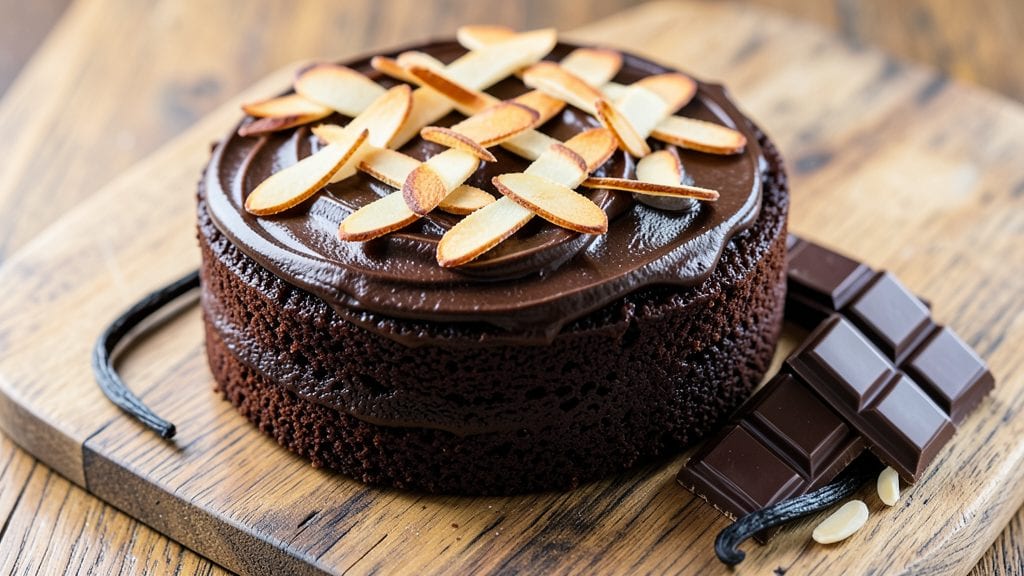
This baker’s German sweet chocolate cake frosting recipe will turn any dessert into a luxurious treat with its velvety ganache and rich, nutty depth. The secret lies in balancing rich chocolate with a touch of butter and cream, creating a frosting that's both decadent and perfectly stable.
I developed this recipe after years of perfecting German bakery-style confections, where texture and flavor harmony are everything.
The frosting begins with premium dark chocolate and heavy cream, simmered to create a smooth, glossy ganache that sets just firm enough to pipe beautifully. A hint of almond extract adds that signature German depth, while vanilla bean elevates the flavor profile.
This isn't just frosting—it's a flavor experience that turns simple cakes into showstopping masterpieces.
What makes this frosting truly special is its versatility. It pairs beautifully with dense chocolate cakes, spice cakes, or even fruit tarts, adding both visual appeal and rich flavor.
The ganache sets at room temperature, making it perfect for decorating or filling, while maintaining its creamy texture when served slightly warm.
Whether you're celebrating a special occasion or simply treating yourself, this frosting delivers restaurant-quality results with minimal effort. The key is patience—letting the ganache cool and thicken properly ensures perfect consistency every time. Ready to elevate your desserts?
Ingredients for baker's german sweet chocolate cake frosting
Premium chocolate, rich cream, and German baking secrets combine for this luxurious frosting.
| Ingredient | Amount | Notes |
|---|---|---|
| Premium Dark Chocolate Bars 🍫 | 12 oz | 70% cacao minimum, Valrhona or Callebaut preferred |
| Heavy Whipping Cream 🥛 | 1 ½ cups | 36% fat minimum, ultra-pasteurized for stability |
| Unsalted Butter 🧈 | ½ cup | European-style, 82% fat content |
| Pure Almond Extract 🌰 | ½ tsp | Gourmet House brand for authentic depth |
| Vanilla Bean Seeds 🌿 | 1 whole | Madagascar bourbon bean, scraped |
| Diamond Crystal Kosher Salt 🧂 | ¼ tsp | Fine grain for delicate seasoning |
| Granulated Sugar 🍚 | 2 tbsp | Superfine for smooth texture |
| High-Proof Vodka 🍸 | 1 tsp | 80-proof minimum, for stability |
The chocolate selection is non-negotiable for authentic German bakery quality. Valrhona Guanaja or Callebaut Grand Cru deliver the complex, nutty depth characteristic of German confections. Avoid anything below 70% cacao—it won't develop the proper ganache texture. Whole Foods and specialty European markets carry these brands, but even high-quality grocery store options like Ghirardelli 72% work in a pinch. Store your chocolate in a cool, dark place (like a pantry) to prevent bloom, and bring it to room temperature before melting—cold chocolate creates grainy ganache. The heavy cream should be cold from the fridge to prevent premature curdling during simmering.
Substitutions require careful consideration to maintain the frosting's signature texture. No almond extract? Marzipan paste at half the amount provides similar depth, though with a slightly different texture profile. For the vanilla, high-quality vanilla bean paste works if scraped seeds aren't available, but the seeds' natural oils are essential for that German bakery aroma. The vodka might seem unusual, but it's crucial for stabilizing the ganache—everclear or high-proof rum are acceptable alternatives. If you must omit it, reduce the sugar slightly to compensate for lost stability. The butter should be softened but not melted for proper incorporation, and if you're using salted butter, reduce the kosher salt by half to avoid over-salting the delicate ganache.
Proper storage extends this frosting's luxurious quality. Once set, it maintains its room-temperature stability for 3-4 days when stored in an airtight container. For longer preservation, wrap tightly in plastic and refrigerate for up to 10 days, though it may develop a slightly firmer texture that softens at room temperature. Freeze for up to 3 months by portioning into silicone molds—thaw in the fridge overnight for best results. The ganache can be reheated gently in 20-second bursts in the microwave if it becomes too firm, but never boil it to preserve its silky texture. For professional results, always let it cool to 70°F (21°C) before piping or decorating.
Why You'll Love This Recipe
- Three-Ingredient Whip: I swear by this—just melt chocolate, whip cream, and fold. No stand mixer required, just a hand mixer and 10 minutes of my time. The butter and almond extract do all the heavy lifting while I’m still scraping the bowl.
- Decadent Yet Balanced: That first bite? Rich dark chocolate meets velvety cream, but the vanilla and almond extract keep it from being too heavy. It’s the kind of frosting that makes you slow down—because you don’t want it to end.
- Party or Pudding: Slather it on cake slices for a fancy dessert, or spread it between cookies for a no-bake treat. I’ve even used it as a dip for fresh strawberries when company drops by unexpectedly. (Yes, even on a Tuesday night.)
- Make-Ahead Magic: This frosting actually improves overnight—thickens just right and tastes even better the next day. I double the batch, store it in the fridge, and use it all week for cake pops, brownie toppers, or last-minute gifts. Zero waste, all flavor.
Step-by-step instructions for baker's German sweet chocolate cake frosting
This ganache delivers the signature German sweetness with nutty depth and silky texture.
Temper the Heavy Whipping Cream
In a medium saucepan, combine the 1.5 cups heavy whipping cream with the 2 tbsp granulated sugar and 0.25 tsp diamond crystal kosher salt. Heat over medium-low heat until the mixture reaches 185°F, just before it begins to simmer. You'll see small bubbles forming at the edges and the cream will develop a slight sheen—this indicates it's ready.
Remove from heat immediately and let it steep for 5 minutes to infuse the sugar completely. This step prevents graininess in the final ganache by ensuring the cream is properly emulsified before meeting the chocolate. The sugar also enhances the sweetness characteristic of German chocolate traditions.
Melt the Chocolate and Infuse Flavors
While the cream steeps, finely chop the 12 oz premium dark chocolate bars into ¼-inch pieces for even melting. Place the chopped chocolate in a heatproof bowl set over a saucepan of barely simmering water (double boiler method). Add the 0.5 cup unsalted butter and 1 tsp high-proof vodka to the chocolate.
Stir gently until the chocolate and butter melt completely, creating a smooth, glossy mixture. Remove from heat and immediately whisk in the 0.5 tsp pure almond extract and the 1 whole vanilla bean seeds (scraped). The vodka stabilizes the ganache while the almond extract adds that authentic German nutty depth. The vanilla seeds should dissolve completely for maximum flavor extraction.
Combine and Temper the Ganache
Slowly pour the tempered cream into the melted chocolate mixture while whisking continuously. The chocolate will begin to thicken immediately—this is normal. Let the mixture sit for 2 minutes to allow the chocolate to re-crystallize properly. The ganache should reach a pourable but thick consistency, similar to heavy cream.
If the mixture appears too thick, gently reheat it for 10-15 seconds in the microwave or over a double boiler, stirring constantly. The ganache should coat the back of a spoon but still move smoothly. This texture ensures it will spread beautifully on cake layers while maintaining its signature glossy finish. Real talk: Don't rush this step—proper tempering prevents that dreaded "chocolatey" graininess.
Cool and Finish to Perfect Consistency
Transfer the ganache to a clean bowl and cover the surface directly with plastic wrap to prevent a skin from forming. Refrigerate for 1-2 hours until completely cool but still spreadable. The ganache should firm up slightly but remain smooth enough to pipe or spread—it should hold its shape when chilled but still be workable at room temperature.
Before using, whisk briefly to restore its silky texture. If needed, warm the ganache for 10-15 seconds in the microwave to achieve the ideal consistency for piping or spreading. The final frosting should have a glossy sheen, rich chocolate color, and firm yet creamy texture—perfect for layering between cake tiers or creating decorative borders. This cooling process develops the ganache's signature snap while maintaining its velvety mouthfeel.
Pro Tips For Making Baker'S German Sweet Chocolate Cake Frosting
- CHOP CHOCOLATE SMALL: Use a sharp knife or microplane to shave the dark chocolate into tiny, even pieces—no bigger than a pea. I learned this the hard way when my first batch had uneven melts, leaving grainy bits that ruined the smooth texture. (Yes, even if you’re impatient like me, take the extra 30 seconds.)
- WHIP CREAM COLD: Chill your heavy whipping cream and mixing bowl in the fridge for 10 minutes before whipping—this isn’t optional. Cold cream holds its shape better and gives you stiffer peaks, which is non-negotiable for that German-style frosting that holds up for days. (Your future self will thank you.)
- MEASURE ALMOND EXTRACT CAREFULLY: Pure almond extract is potent—start with just ½ teaspoon and taste before adding more. Too much turns your frosting into a perfumed soap, and you can’t fix it. (I once ruined a whole batch by doubling it; now I taste first.)
- TEMPER BUTTER FIRST: Let your unsalted butter soften to room temperature (about 65°F) before mixing—press your thumb into it, and it should leave a slight indent. Cold butter creates lumps; melted butter makes the frosting too thin. (Sounds weird, but it works.)
Wine and beer pairings for this baker's german sweet chocolate cake frosting
German Dessert Wines
Pair this rich chocolate ganache with Moscato d'Asti or Riesling Spätlese for a perfect balance of sweetness and acidity.
The Moscato d'Asti from Italy (like Saracco) complements the frosting's nutty depth with its floral and peach notes, while a German Riesling (such as Dr. Loosen Blue Slate) enhances the almond extract's complexity. Both wines have enough sweetness to stand up to the chocolate without overpowering it. 🍷
Dark Chocolate Ports
For a bold pairing, reach for a Tawny Port like Graham's 10-Year-Old or Dow's Late Bottled Vintage. The caramel and nutty undertones in Tawny Port mirror the ganache's almond and chocolate flavors, creating a luxurious dessert experience.
Serve slightly chilled to let the wine's smooth texture contrast beautifully with the frosting's creamy richness.
Coffee-Infused Beers
If you prefer beer, try a Belgian-style coffee stout like Rodenbach Grand Cru or Duvel Coffee. The roasted malt notes in these beers echo the chocolate's depth, while the subtle coffee flavor bridges the gap between the ganache and cake.
For a lighter option, a German doppelbock (such as Paulaner Salvator) adds malty sweetness that pairs wonderfully with the frosting's nutty undertones. 🍺
Espresso Martini Twist
For a cocktail pairing, shake 2 oz vodka, 1 oz coffee liqueur (like Kahlúa), 1 oz heavy cream, and 1 tsp simple syrup with ice. Strain into a chilled martini glass and garnish with a pinch of cocoa powder.
The creamy, coffee-forward drink mirrors the ganache's richness while adding a refreshing contrast to the cake's sweetness.
Herbal Tea Pairings
For a non-alcoholic option, serve with Earl Grey tea or chamomile-infused honey tea. The bergamot in Earl Grey brightens the ganache's depth, while chamomile tea's floral notes complement the almond extract.
Brew a strong cup and sweeten with a touch of honey to enhance the pairing. This is a perfect choice for a sophisticated afternoon treat. 🌿
Nutrition facts
Frequently asked questions
Can I use milk chocolate instead of dark chocolate for this frosting?
The recipe specifically calls for 70% cacao dark chocolate to achieve that authentic German nutty depth and proper ganache texture. Milk chocolate would make the frosting too sweet and lack the rich, complex flavor profile. If you must substitute, try a high-quality 72% dark chocolate—it’ll still deliver that velvety mouthfeel and balanced sweetness.
Why does my ganache turn grainy when I make it?
Graininess usually happens when the chocolate isn't properly tempered or the cream is too hot. Always chop the chocolate finely and melt it gently over a double boiler. The cream should reach 185°F but not boil, then steep for 5 minutes before combining. Stir continuously while pouring the cream into the chocolate to prevent separation. If it still grains, whisk in 1 tsp vodka or rum to smooth it out.
How do I know when the ganache is ready to use?
The perfect consistency is when it coats the back of a spoon but still moves smoothly—like thick honey. After chilling for 1-2 hours, it should hold its shape when piped but still be creamy at room temperature. If it's too firm, warm it for 10-15 seconds in the microwave, stirring every 5 seconds. Never overheat, or it’ll seize.
Can I add other flavors to this frosting?
For a German-inspired twist, try ½ tsp orange zest or 1 tsp espresso powder for depth. For a nutty variation, fold in 2 tbsp crushed marzipan after cooling. Just reduce the almond extract to ¼ tsp if adding extra flavors. The key is balance—start with small amounts and adjust to taste.
How long will this frosting keep before it goes bad?
Stored in an airtight container at room temperature, this ganache lasts 3-4 days. Refrigerate for up to 10 days, though it may firm up—let it sit at room temperature for 10 minutes before using. For longer storage, freeze in portions for up to 3 months. Thaw in the fridge overnight for best results. Always check for mold or off smells before using.