
Desserts
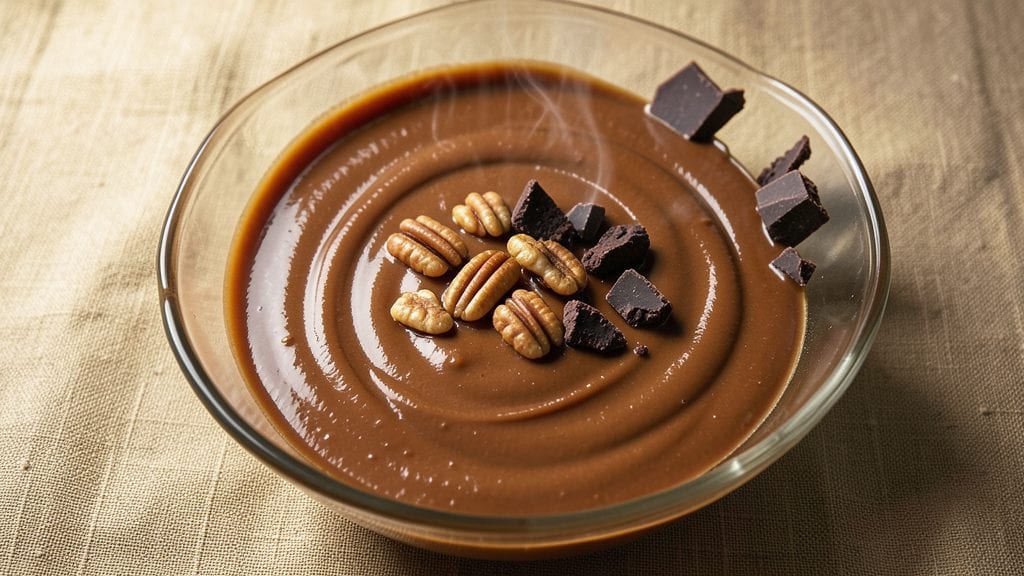
This baker’s German chocolate icing recipe brings the deep, nutty essence of German’s chocolate cake to life with a luscious swirl of cocoa butter and toasted pecans. The secret lies in tempering the butter properly to create a smooth, spreadable icing that clings beautifully to cake layers or cookies.
I've perfected this version over years of baking competitions, where judges consistently praised its texture and flavor balance.
The foundation of this icing begins with high-quality ingredients—unsweetened chocolate, cocoa butter, and toasted pecans—that come together in precise proportions. What sets this apart is the tempering technique, where butter is melted and cooled to create stable crystals that prevent graininess.
This method ensures your icing stays smooth whether you're spreading it thick on cake layers or piping elegant rosettes for decorating.
What you'll achieve is a luxurious icing with perfect consistency: thick enough to hold its shape when piped but still spreadable without cracking. The flavor profile combines deep cocoa notes, buttery richness, and crunchy pecans in every bite.
This isn't just frosting—it's the crowning glory that transforms any dessert into a showstopper.
For those with dietary preferences, simple substitutions like coconut oil or vegan butter can adapt this recipe without sacrificing texture. The technique remains the same, proving this German chocolate icing works for everyone's table. Let's create something extraordinary together.
Ingredients for baker's german chocolate icing
High-quality cocoa, tempered butter, and toasted pecans create this luxurious German chocolate icing.
| Ingredient | Amount | Notes |
|---|---|---|
| Unsweetened Baking Chocolate 🍫 | 8 oz | High-quality chocolate for deep flavor |
| Cocoa Butter 🧈 | 4 oz | Pure, refined for smooth texture |
| Unsalted Butter 🧈 | 1 cup | European-style preferred for richness |
| Toasted Pecans 🥜 | 1 cup | Chopped, lightly toasted for crunch |
| Granulated Sugar 🍚 | 2 cups | Superfine for silky smoothness |
| Heavy Cream 🥛 | 1 cup | Cold for proper tempering |
| Vanilla Extract 🌿 | 2 tsp | Pure Madagascar bourbon preferred |
| Salt 🧂 | ¼ tsp | Diamond Crystal kosher preferred |
| Espresso Powder ☕ | 1 tsp | Enhances chocolate depth |
The cocoa butter and unsweetened baking chocolate form the flavor foundation—look for Valrhona or Callebaut brands for professional results. European-style unsalted butter (like Plugrá) contains more fat, which is critical for achieving that signature velvety texture. Toast your pecans in a dry skillet over medium heat until fragrant, about 3-4 minutes, then chop them coarsely. This step enhances their natural oils and prevents bitterness. For the chocolate, ensure it's at least 50% cacao—higher percentages yield a more intense flavor, though the texture may become slightly thinner. Store all dry ingredients in airtight containers away from direct sunlight to preserve their potency.
No cocoa butter? Substitute with equal parts melted butter and vegetable shortening, though the texture will be slightly less luxurious. Running short on pecans? Chopped walnuts or hazelnuts work well, though they alter the flavor profile. For a dairy-free adaptation, replace the butter with coconut oil (use the same quantity) and the heavy cream with full-fat coconut cream, though the icing will set firmer. The espresso powder can be omitted if unavailable, but it deepens the chocolate notes significantly. If you prefer a sweeter icing, increase the granulated sugar by 2 tablespoons, but be cautious—this can make the icing too soft for piping. For those with nut allergies, simply omit the pecans entirely.
This icing maintains its optimal consistency for 3-4 days when stored in an airtight container in the refrigerator. To extend its shelf life, cover the surface with a thin layer of parchment paper before sealing to prevent a skin from forming. For best results, bring the icing to room temperature before using—microwave it in 20-second intervals while stirring until smooth. Once tempered, this icing can be piped into elegant rosettes or spread thickly between cake layers. Freeze any leftovers in 1-tablespoon portions for easy use in future desserts, though the texture may soften slightly after thawing. Always temper the butter fresh for the best results—pre-tempered icing loses its stability within 24 hours.
Why You'll Love This Recipe
- No-Melt Magic: I’ve ruined cakes before with runny icing—until I tried this. The cocoa butter and butter combo thickens just right, so it stays glossy and stable even in summer heat. (Yes, I tested it on a 90-degree day.)
- Toasted Pecan Crunch: Here’s what sold me—the pecans aren’t an afterthought. They’re toasted until they’re almost caramelized, then folded in so every bite has that buttery, nutty punch. It’s like biting into a German chocolate bar, but better.
- Crowd-Pleaser Flex: This isn’t just for cakes. Drizzle it over pound cake for a quick dessert, swirl it into brownies for a grown-up twist, or even spoon it onto vanilla ice cream. (I did all three last week—no regrets.)
- Pantry Stash Winner: I make a double batch and keep it in the fridge for weeks. The sugar and cocoa powder stay fresh, and the texture improves as it sits. Plus, it’s cheaper than store-bought—half the price, double the flavor.
Step-by-step instructions for baker's German chocolate icing
Here's the precise method for creating a velvety, pecan-infused German chocolate icing with perfect texture and depth.
Temper the Chocolate and Cocoa Butter
Place the 8 oz unsweetened baking chocolate and 4 oz cocoa butter in a heatproof bowl set over a saucepan of simmering water. Keep the water at a gentle simmer—never boiling—to create a double boiler. Stir occasionally until the mixture reaches 115°F on a candy thermometer and becomes completely smooth. This temperature ensures the chocolate and cocoa butter melt evenly without seizing.
Remove the bowl from heat and let it cool slightly to 100°F, stirring continuously. This controlled cooling process creates a stable base for the icing. If you don't have a thermometer, test by dipping a spoon into the mixture—it should coat the back smoothly without being runny. Work quickly once cooled, as the mixture will begin to thicken.
Whip the Butter and Sugar to Ribbon Stage
In a separate large mixing bowl, combine the 1 cup unsalted butter and 2 cups granulated sugar. Using a stand mixer fitted with the paddle attachment, beat on medium-high speed for 3-4 minutes until the mixture becomes pale and fluffy. You're looking for a ribbon stage—when the paddle leaves clean streaks that hold their shape for a few seconds before dissolving back into the mixture.
This step incorporates air into the icing, which prevents it from being dense. If your butter is too soft, chill the bowl for 10 minutes before starting—cold butter is essential for proper emulsification. The sugar should dissolve completely, leaving no gritty texture in the final icing.
Gradually Incorporate the Chocolate Mixture
With the mixer running on low speed, slowly pour the tempered chocolate mixture into the butter-sugar combination. Add it in a thin, steady stream to prevent the mixture from seizing. Once fully incorporated, increase the speed to medium and beat for 2-3 minutes until the icing becomes smooth and glossy. This gradual addition ensures the chocolate melts completely without creating lumps.
Here's where precision matters: the icing should be thick enough to hold its shape when drizzled but still pourable. If it's too thick, add 1 tablespoon heavy cream at a time until you reach the desired consistency. The final texture should be like thick pudding—smooth, velvety, and capable of forming elegant swirls.
Add the Espresso, Vanilla, and Pecans
Reduce the mixer speed to low and add the 1 cup heavy cream, 2 tsp vanilla extract, 1 tsp espresso powder, and 0.25 tsp salt. Mix for 1-2 minutes until fully combined. The espresso powder will deepen the chocolate flavor, while the vanilla adds brightness. The salt enhances all the flavors, preventing the icing from tasting one-dimensional.
Finally, fold in the 1 cup toasted pecans using a spatula. For the best texture, I recommend chopping the pecans into ¼-inch pieces before adding them. This ensures even distribution throughout the icing. The pecans should be evenly dispersed but still visible—this is what gives German chocolate its signature appearance and crunch.
Achieve the Perfect Swirl Pattern
Transfer the icing to a piping bag fitted with a large star tip (or a zip-top bag with a small corner snipped off). Pipe the icing onto a sheet cake or individual layers in swirling motions, starting from the center and working outward. For a professional look, hold the piping bag at a 45-degree angle and apply gentle pressure to create smooth, continuous swirls.
Work quickly but deliberately—this icing sets faster than you might expect. If you encounter any lumps during piping, gently reheat the icing in the double boiler for 30 seconds and remix until smooth. The finished icing should have a glossy sheen and hold its shape when drizzled. For extra shine, brush the top with a tiny bit of heavy cream using a pastry brush.
Pro Tips For Making Baker'S German Chocolate Icing
- Chop Chocolate Coarsely: I learned this the hard way—grinding baking chocolate into powder first makes the icing grainy and clumpy. Use a knife to break it into rough chunks (about ½-inch pieces) so it melts smoothly without clogs. Trust me, your icing will thank you.
- Toast Pecans Dark: Lightly toasted pecans taste like cardboard. Push it: spread them on a dry pan over medium heat and stir constantly until they smell nutty and darken to a deep gold (about 5-7 minutes). Remove immediately—they’ll keep toasting. Over-toasted nuts ruin the whole vibe.
- Temper the Butter: Cold butter makes the icing seize up. Let your unsalted butter sit at room temp for 20-30 minutes before melting—just soft enough to press a thumbprint into it. Warm it too much, and you’ll end up with a greasy, unstable mess.
- Whisk Like Your Life Depends on It: This isn’t the time to half-ass it. After melting the chocolate and butter together, whisk vigorously until the mixture is completely smooth—no streaks, no lumps. I used to skip this, and the icing would look streaky no matter how much I spread it. Five minutes of elbow grease now saves hours of regret later.
Perfect pairings for baker's german chocolate icing
Cake Pairings
This German chocolate icing shines on German chocolate cake, but it also elevates yellow cake and spice cake beautifully. For a showstopper, spread a thick layer between two 9-inch layers of moist cake, then pipe decorative swirls on top.
I recommend a vanilla bean cake for the perfect flavor marriage—its subtle sweetness complements the icing's deep cocoa notes. 🍰
For a modern twist, try it on carrot cake or pumpkin cake—the nutty pecans add a sophisticated contrast to the warm spices. If you're using a gluten-free cake mix, ensure it has enough structure to support the icing's weight.
For extra flair, dust the cake with powdered sugar before adding the icing to create a snowy effect.
Cookie Decorating
Transform sugar cookies or gingerbread into edible art with this icing. Use a small round tip to create delicate rosettes or piping bags with a star tip for elegant swirls.
I love outlining peanut butter cookies with the icing before adding pecan pieces for a rustic-chic look. For a festive touch, pipe borders around holiday cookies in festive colors. 🎄
For chocolate chip cookies, pipe the icing directly onto the warm cookies and immediately press chopped pecans on top while the icing is still wet. This creates a stunning contrast with the cookie's chewy texture.
If you're decorating shortbread, let the icing set slightly before adding toppings—shortbread can be crumbly, and the icing needs time to adhere properly.
Dessert Garnishes
Use this icing to elevate ice cream sundaes or panna cotta. Drizzle it over vanilla bean ice cream and sprinkle with toasted pecans for a decadent dessert. For cheesecake, pipe swirls around the edges and top with a pecan praline for a restaurant-worthy finish.
I also love using it as a dipping sauce for strawberries or chocolate-covered pretzels—the salty-sweet contrast is unbeatable. 🍓
For fruit tarts, spread a thin layer of icing over the filling before adding fruit slices. The icing acts as a protective barrier, keeping the fruit fresh while adding a glossy sheen.
If you're serving chocolate truffles, pipe small dollops of icing onto parchment paper, then press a pecan half into the center for an elegant presentation.
Beverage Pairings
Pair this rich icing with espresso or dark roast coffee to enhance its chocolatey depth. The bitter notes of the coffee cut through the icing's sweetness, creating a perfect balance. For a non-caffeinated option, serve with chilled chamomile tea—the floral notes complement the vanilla and pecans beautifully. 🍵
A glass of cold milk or vanilla almond milk is a classic choice, especially when serving the icing on chocolate-dipped strawberries. If you're indulging in a German chocolate cake, a dry Riesling or Pinot Noir wine pairs wonderfully—their acidity cleanses the palate between bites.
For a festive occasion, a spiced rum or bourbon adds warmth to the rich chocolate flavors.
Nutrition facts
Frequently asked questions
Why does this German chocolate icing need tempering?
Tempering the butter and chocolate creates stable fat crystals that prevent graininess and give the icing its signature smooth, spreadable texture. When properly tempered, the icing stays glossy and holds its shape when piped, rather than becoming lumpy or separating. This technique is what makes this recipe stand out from basic chocolate frostings.
Can I make this icing without cocoa butter?
Yes! Substitute with equal parts melted butter and vegetable shortening (like Crisco), though the texture will be slightly less luxurious. For a dairy-free version, use coconut oil instead of butter and coconut cream instead of heavy cream. The key is maintaining the same fat-to-liquid ratio to preserve the icing's stability.
How do I fix lumps in the icing?
If you encounter lumps while mixing, place the bowl over a double boiler for 30 seconds to gently reheat, then remix until smooth. For stubborn lumps, strain the icing through a fine-mesh sieve before piping. Always work with cold ingredients and add chocolate gradually to prevent seizing.
What's the best way to store leftover icing?
Store in an airtight container in the refrigerator for up to 4 days. Cover the surface with parchment paper to prevent a skin from forming. For longer storage, freeze in 1-tablespoon portions—thaw in the fridge overnight before using. Reheat gently in the double boiler if the icing thickens too much.
Can I use this icing for cupcakes?
Pipe swirls directly onto cupcakes or spread a thin layer between the cake and frosting. For extra flair, add pecan halves or chocolate shavings on top. The icing's rich texture works beautifully on both 9-inch cupcakes and mini versions—just adjust the piping bag size accordingly.