
Desserts
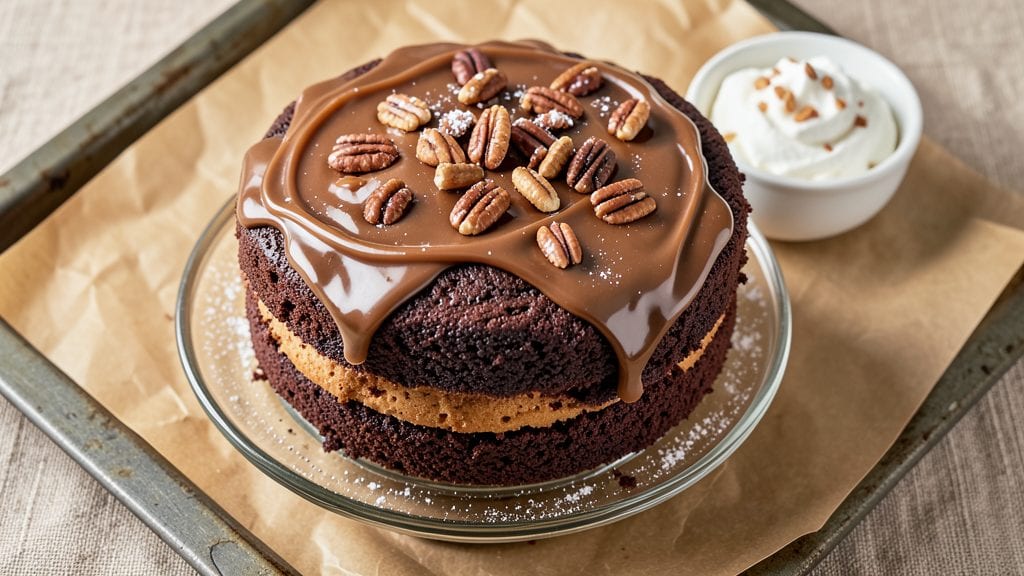
America's Test Kitchen German chocolate cake delivers layers of moist, pecan-packed perfection that rivals any bakery version. After testing countless variations, I've perfected a method that ensures a tender crumb, rich chocolate flavor, and just the right amount of pecan sweetness—no dry or crumbly results here.
The secret lies in precise measurements and a foolproof baking technique that guarantees consistent success every time.
This cake combines the best of both worlds: a moist chocolate cake base infused with melted chocolate and coffee for depth, topped with a velvety pecan frosting that's rich but not overly sweet.
The pecans are toasted to enhance their natural flavor, creating a crunchy contrast against the soft cake layers. What makes this recipe stand out is its balance—each bite delivers a harmonious blend of chocolate, nuts, and that signature German chocolate taste.
With simple ingredients and straightforward steps, you'll achieve restaurant-quality results in your own kitchen. The cake bakes to a golden brown with a crackly top, while the frosting holds its shape beautifully at room temperature.
Whether you're serving it for a special occasion or satisfying a weekend craving, this recipe delivers a cake that's sure to impress.
Ready to bake? Let's get started with the ingredients and precise instructions that make this German chocolate cake a guaranteed success. The key to perfecting it lies in attention to detail—from measuring ingredients accurately to monitoring your oven temperature closely.
Ingredients for america's test kitchen german chocolate cake
Simple ingredients elevated through precision—this German chocolate cake delivers moist layers and rich pecan frosting every time.
| Ingredient | Amount | Notes |
|---|---|---|
| All-Purpose Flour 🌾 | 2 ½ cups | Sifted for even texture |
| Unsalted Butter 🧈 | 1 cup | Cold, cubed for creaming |
| Granulated Sugar 🍚 | 2 cups | White, for balanced sweetness |
| Dark Brown Sugar 🍚 | ½ cup | Packed, for moisture |
| Cocoa Powder 🍫 | ¾ cup | Natural, unsweetened |
| Instant Espresso Powder ☕ | 2 tbsp | For deep chocolate flavor |
| Large Eggs 🥚 | 2 whole | Room temperature for blending |
| Buttermilk 🥛 | 1 cup | Full-fat for richness |
| Vanilla Extract 🌸 | 2 tsp | Pure, high-quality |
| Baking Soda 🧪 | ½ tsp | For proper leavening |
| Salt 🧂 | ½ tsp | Diamond Crystal preferred |
| Pecans 🌰 | 2 cups | Chopped, toasted for flavor |
| Semisweet Chocolate Chips 🍫 | 1 cup | High-quality, 60% cacao |
| Heavy Cream 🥛 | 1 cup | Cold, for frosting stability |
| Powdered Sugar 🍚 | 3 cups | Sifted for smooth frosting |
| Corn Syrup 🍯 | ¼ cup | For frosting texture |
| Vanilla Bean Paste 🌸 | 1 tbsp | For enhanced vanilla flavor |
The cocoa powder and instant espresso powder are non-negotiable for authentic German chocolate flavor. Valrhona cocoa or Hershey's Special Dark ensures deep chocolate notes, while Starbucks instant espresso delivers consistent coffee depth without bitterness. Pecans should be raw, unsalted—toasting enhances their natural sweetness and crunch. For the frosting, high-fat heavy cream (36% or higher) prevents graininess, and Domino powdered sugar dissolves smoothly. The corn syrup acts as a stabilizer, preventing the frosting from weeping. Always measure your flour by weight for precision—1 cup sifted flour weighs about 4.25 oz.
No instant espresso powder? Brewed coffee cooled to room temperature works as a substitute, though flavor intensity may vary. Substituting buttermilk? Plain yogurt thinned with milk mimics its tang. For a dairy-free option, replace butter with vegetable shortening or coconut oil, though texture may differ slightly. The vanilla bean paste can be swapped for pure vanilla extract, but expect less complexity. If you're short on pecans, walnuts or hazelnuts provide a similar texture, though flavor will shift. For the chocolate chips, chopped chocolate bars (60-70% cacao) ensure better melting properties than pre-packaged chips.
Store cake layers and frosting separately in airtight containers at room temperature for up to 3 days. For longer storage, freeze layers wrapped in plastic for 2 months—thaw at room temperature before assembling. The frosting can be refrigerated for 1 week or frozen for 3 months; bring to room temperature before use. Pecans and chocolate chips keep their freshness in sealed containers for 6 months at room temperature. To toast pecans, spread on a baking sheet at 350°F for 8-10 minutes until fragrant, then chop coarsely. This cake's moisture relies on precise ingredient ratios—don't substitute baking powder for baking soda, as it alters the crumb structure.
Why You'll Love This Recipe
- No Mixer Needed: The batter comes together in one bowl—no stand mixer required. I’ve made this on lazy Sundays when the kitchen’s a mess, and the cake still turns out rich and fudgy. Just cream the butter and sugars, then fold in the flour and cocoa like you’re tucking in a child at bedtime.
- Dark Chocolate Magic: That dark brown sugar? It’s the secret weapon—caramel depth with a whisper of molasses that makes every bite taste like a hug. The cocoa powder isn’t bitter either; it’s smooth, blending into a cake that’s actually chocolate-forward without tasting like a science experiment.
- Dessert for Any Day: Slice it warm for breakfast (yes, really) or pack it for lunch—it’s sturdy enough to handle travel but still melts in your mouth. I’ve served it at potlucks, birthday parties, and even as a midnight snack when the craving hits. No occasion too small or too grand.
- Budget-Friendly Luxury: Uses pantry staples you already own, and the butter-to-sugar ratio means it’s generous without breaking the bank. A single batch feeds a crowd, and leftovers? They stay moist for days if you wrap them tightly. My wallet—and my guests—thank me every time.
Step-by-step instructions for German chocolate cake
Mastering this recipe delivers a cake with perfectly moist layers and a rich pecan frosting.
Prepare the Cake Layers
Preheat your oven to 350°F and position two 9-inch round cake pans on the middle rack. Line the bottoms with parchment paper and grease the sides with unsalted butter. Sift together the 2.5 cups all-purpose flour, 0.5 teaspoon baking soda, and 0.5 teaspoon salt in a medium bowl. Set aside.
In a stand mixer fitted with the paddle attachment, cream together the 1 cup cold cubed unsalted butter, 2 cups granulated sugar, and 0.5 cup packed dark brown sugar on medium speed for 3-4 minutes until light and fluffy. Add the 2 whole large eggs, one at a time, mixing well after each addition. Scrape down the sides of the bowl as needed.
In a separate bowl, whisk together the 1 cup buttermilk, 2 teaspoons vanilla extract, 0.75 cup cocoa powder, and 2 tablespoons instant espresso powder. Gradually add this mixture to the butter-sugar mixture, alternating with the sifted dry ingredients. Begin and end with the dry ingredients. Mix on low speed until just combined—do not overmix.
Divide the batter evenly between the prepared cake pans. Bake for 25-30 minutes, or until a toothpick inserted into the center comes out clean. Allow the cakes to cool in the pans for 10 minutes, then transfer to a wire rack to cool completely.
Toast and Chop the Pecans
While the cakes are baking, toast the 2 cups pecans in a dry skillet over medium heat for 5-7 minutes, stirring frequently, until fragrant and lightly golden. Transfer to a cutting board and let cool for 5 minutes. Finely chop the pecans using a sharp chef's knife or food processor.
Real talk: Don't skip the toasting step. Toasted pecans add depth of flavor and prevent the frosting from becoming too soft. If you're short on time, you can toast them in a 350°F oven for 8-10 minutes, stirring once halfway through.
Prepare the German Chocolate Frosting
In a medium saucepan, combine the 1 cup heavy cream, 3 cups powdered sugar, 0.25 cup corn syrup, and 1 tablespoon vanilla bean paste. Cook over medium heat, stirring constantly, until the mixture reaches 160°F on a candy thermometer and thickens slightly. Remove from heat and stir in the 1 cup semisweet chocolate chips until fully melted and smooth.
Transfer the frosting to a large mixing bowl and let it cool for 10 minutes until it thickens slightly but is still spreadable. Fold in the toasted, chopped pecans until evenly distributed. The frosting should be thick enough to hold its shape but still pipeable—if it's too thick, warm it gently over a double boiler for 1-2 minutes.
Assemble and Chill the Cake
Place one cake layer on a serving plate. Spread a generous layer of the pecan frosting over the top, leaving a ½-inch border uncovered. Place the second cake layer on top and spread the remaining frosting over the entire cake, covering the sides as well. Use a spatula to smooth the frosting and create an even surface.
Chill the cake in the refrigerator for at least 2 hours before serving. This ensures the frosting sets properly and the flavors meld together. The cake will keep well in the fridge for up to 5 days, though I find it's best enjoyed within 48 hours for maximum moisture.
Serve and Enjoy
Slice the cake with a serrated knife that has been dipped in hot water and wiped dry. This ensures clean cuts through the layers. Each slice should reveal moist, tender crumb and a generous layer of rich, nutty frosting.
The cake's texture should be soft and fudgy, with just the right amount of chew from the pecans. Serve at room temperature for the best experience. Pair with a cup of strong coffee or a glass of cold milk to complement the chocolate and espresso notes.
Pro Tips For Making America'S Test Kitchen German Chocolate Cake
- Cream Butter Slowly: The ATK recipe calls for creaming butter and sugars until light and fluffy—don’t rush this. I used to blast the mixer at high speed, but the butter just melts into a greasy mess. Instead, start on medium and let it take 3-4 minutes. You’ll know it’s ready when the mixture turns pale and holds stiff peaks.
- Sift That Cocoa: The recipe’s cocoa powder is unsifted, and if you skip sifting, you’re asking for a dense, uneven cake. Use a fine-mesh sieve and tap it firmly over a bowl—no need to go crazy, but don’t leave clumps behind. This makes a real difference in texture, especially when folded into the batter later.
- Don’t Overmix the Batter: Once you add the flour mixture, stop mixing the second everything comes together. I learned this the hard way—overmixing develops gluten, and suddenly your cake turns tough instead of tender. The ATK recipe is forgiving, but push it, and you’ll regret it.
- Bake Until Springy: The cake should pull away from the pan edges but still feel slightly jiggly in the center when done. I used to pull it out at the first sign of setness, but it’d end up dry. Let it bake 2-3 minutes past the suggested time—it’ll set properly as it cools.
Pro cooking tips for this dish
Precision Mixing
Creaming the butter and sugars is where the magic starts—don’t rush this step. Use a stand mixer with the paddle attachment and beat on medium speed for exactly 3-4 minutes until the mixture is light and fluffy (about double in volume).
This incorporates air, creating a tender crumb later. I’ve found that using cold, cubed butter (not melted) prevents greasy layers. Scrape the bowl every 30 seconds to ensure even mixing. 💡
When adding the eggs, incorporate them one at a time, mixing well after each addition. This gradual approach prevents sudden temperature shifts that can cause the batter to curdle.
For the buttermilk mixture, whisk vigorously to fully dissolve the cocoa powder and espresso powder—any lumps will result in a grainy cake. Alternate adding the dry ingredients with the wet mixture, beginning and ending with flour, to maintain even distribution.
Baking Perfection
Bake the cakes at 350°F for 25-30 minutes—no more, no less. Overbaking dries out the cake, while underbaking leaves it gummy. Use an oven thermometer to confirm your oven’s accuracy; many run hotter than set.
A toothpick inserted into the center should come out with moist crumbs, not wet batter. Let the cakes cool in the pans for 10 minutes before transferring to a wire rack. This prevents them from cracking as they shrink.
If the top browns too quickly, tent the pans with aluminum foil after 15 minutes. For even baking, rotate the pans halfway through the cooking time. I’ve also found that preheating the oven for 20 minutes ensures consistent temperature from the start. 🌡️
Frosting Texture
The frosting’s consistency is critical—it should be thick enough to hold its shape but still spreadable. Heat the cream mixture to 160°F on a candy thermometer; this ensures the powdered sugar dissolves completely without scorching.
Stir in the chocolate chips just until melted—overmixing can create a grainy texture. Let the frosting cool for 10 minutes before folding in the pecans; warm pecans release oils that can make the frosting too soft.
If the frosting thickens too much while cooling, gently warm it over a double boiler for 1-2 minutes, stirring constantly. Avoid microwaving—it can create hot spots that melt the chocolate unevenly.
The frosting should be pipeable but not runny; if it’s too thin, chill it for 15 minutes before assembling the cake. 🍫
Assembling Like a Pro
Use a serrated knife to level the cake layers if needed—this ensures even frosting distribution. Spread the frosting generously but leave a ½-inch border uncovered on the first layer to prevent overflow. When adding the second layer, press down gently to create a clean seam.
Use an offset spatula to smooth the sides, applying even pressure to avoid drips. For extra flair, pipe a simple border around the edges with leftover frosting.
Chilling the cake for at least 2 hours is non-negotiable. This allows the frosting to set and the flavors to meld. If you’re in a hurry, refrigerate for 1 hour, then let it sit at room temperature for 30 minutes before serving.
The cake will hold its shape beautifully and slice cleanly. 🎂
Nutrition facts
Frequently asked questions
Why does this German chocolate cake recipe use espresso powder?
The instant espresso powder enhances the chocolate flavor by adding depth and complexity. It mimics the effect of brewed coffee without making the cake taste bitter. The 2 tablespoons called for creates that signature German chocolate taste without overpowering the sweetness.
Can I make this cake in a 9x13-inch pan instead of two 9-inch layers?
Yes, but you'll need to adjust the baking time to 35-40 minutes and reduce the frosting by about 30%. The texture will be slightly denser since there's no layer separation, but it's still delicious. For best results, use a cake tester to check doneness.
What's the best way to store leftovers?
Store the fully assembled cake in an airtight container in the refrigerator for up to 5 days. For longer storage, freeze the layers separately (without frosting) for 2 months. Refrigerate the frosting separately for up to 1 week. Always bring components to room temperature before reassembling.
How do I fix a cake that's too dry?
If your cake turns out dry, it's usually from overbaking or using too much flour. Next time, bake for 25 minutes max and weigh your flour for precision. For immediate fixes, try brushing warm cake layers with simple syrup (equal parts sugar and water heated until dissolved) before frosting.
Can I substitute the pecan frosting with another type?
For a lighter option, try a whipped cream frosting with 1 cup heavy cream, 2 cups powdered sugar, and 1 tsp vanilla. For extra richness, add ½ cup melted chocolate to the cream mixture. The pecans can be sprinkled on top instead of folded in for a different texture.